Storm & Wildfire Damage Response
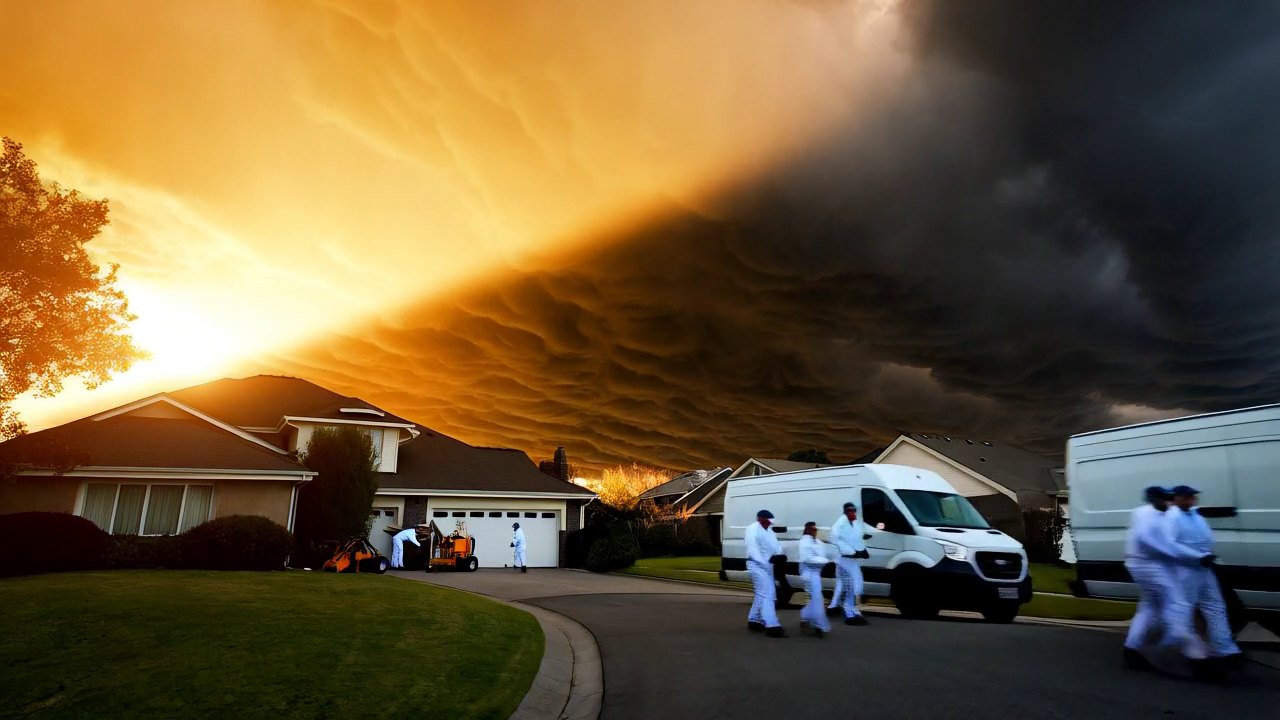
When a regional storm or wildfire hits, we mobilize equipment, crews, and command capacity from all five regional branches.

How Our Storm & Wildfire Damage Response Service Works
Catastrophic events demand more than a single crew can deliver. Respond Property Solutions mobilizes crews and equipment from all five regional branches to the affected area, coordinated by dedicated large-loss project managers.
- Multi-branch disaster mobilization on declared events
- Large-loss command structure and dedicated PMs
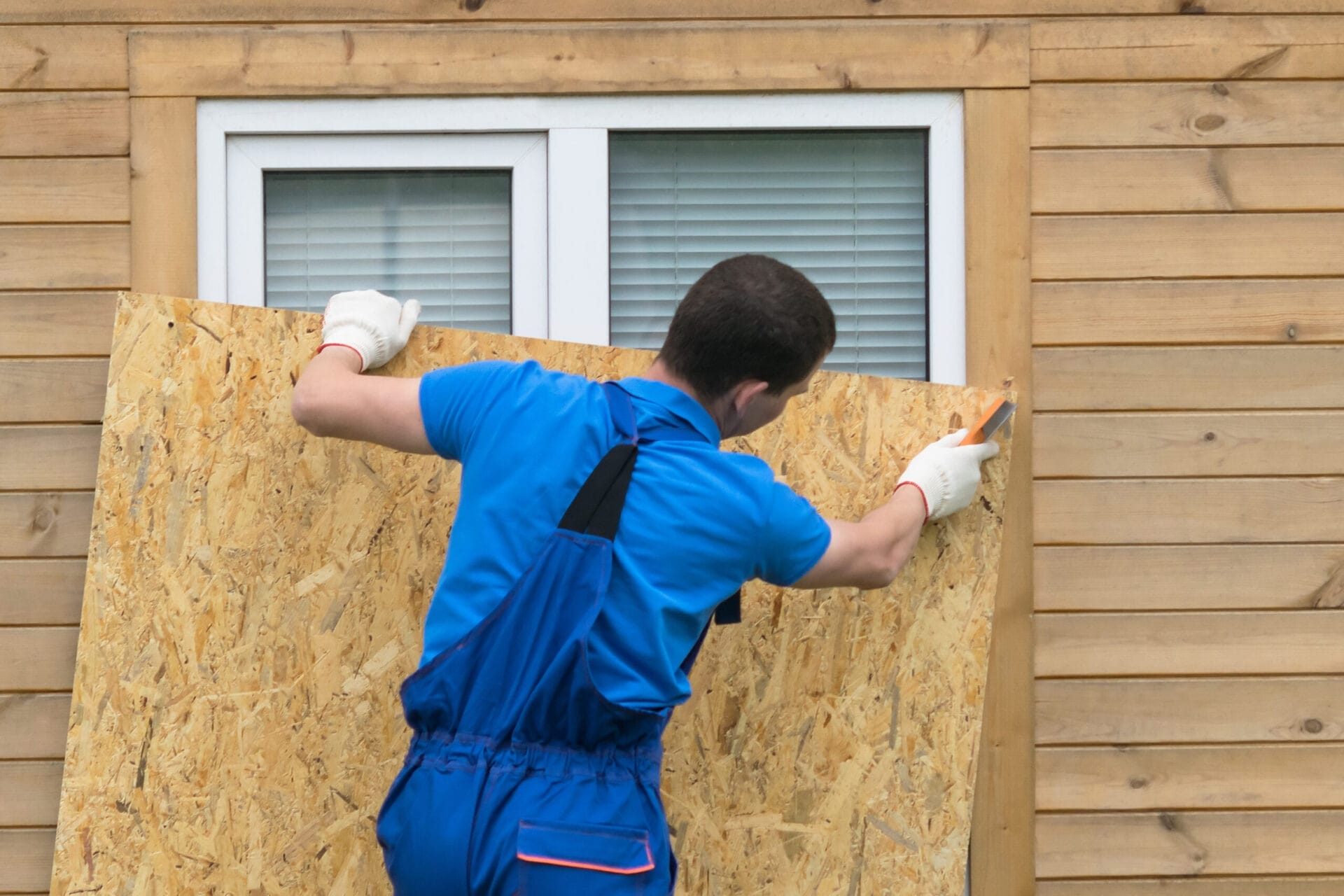
- Triage, board-up, tarping, debris removal in one mobilization
- Coordination with municipal and insurance teams
- Single-contract Managed Repair through reconstruction
What Storms & Wildfires Do to Southwest Properties
Southern California and Western Arizona face three distinct catastrophe patterns, and each damages buildings differently. Understanding the mechanism is how we plan the response.
Santa Ana Winds
Dry, downslope winds accelerate through the passes of Riverside and San Bernardino counties, peeling back roofing, snapping trees onto structures, and turning loose material into projectiles. They also dry out fuels and push wildfires — which is why wind and fire losses so often arrive together here.
Wildfire Smoke & Ash
Even miles from the fire line, smoke and fine ash infiltrate attics, ductwork, and wall cavities. Wildfire ash is alkaline and mildly corrosive; left in place it dulls finishes, etches metals, and holds odor deep in porous materials. Removal is an environmental decontamination task, not a dusting job.
Monsoon Flash Floods
Summer monsoon cells over Imperial and Yuma counties drop months of rain in an afternoon. Hard desert soil sheds the water fast, sending silt-laden runoff — Category 3 water under IICRC S500 — into buildings that sat bone-dry the day before.
In a regional event, the properties that recover fastest are the ones stabilized first. Our triage sequence puts life-safety hazards and open structures at the top, active water intrusion next, and contents protection immediately behind — so the loss stops growing before the detailed work begins.
From First Call to Full Recovery
A disciplined sequence, documented at every step for your insurer.
Dispatch & Mobilization
24/7 dispatch sends the nearest crew, typically on-site in 2 to 4 hours. Declared events trigger mobilization from all five branches.
Safety Triage
We assess structural stability, electrical hazards, and access before anyone works under a compromised roof or wall.
Emergency Stabilization
Board-up, roof tarping, temporary shoring, and site security seal the envelope and stop secondary damage.
Water, Ash & Debris Mitigation
Extraction, structural drying, industrial dehumidification, ash and soot removal, and EPA-compliant debris disposal.
Documentation
Time-stamped photos, daily moisture logs, and Xactimate estimates build an insurer-ready record of the emergency mitigation.
Reconstruction
Managed Repair carries the project from mitigation through rebuild under one contract and one project manager.
Why Multi-Branch Response Matters
Storm losses are a race against secondary damage. Capacity and coordination decide who wins it.
Capacity When It Counts
Five branches across two states mean crews, generators, drying equipment, and tarping stock can converge on the affected area instead of queueing behind one office's schedule.
Large-Loss Command
Dedicated project managers coordinate trades, equipment, municipal contacts, and insurance communication so a complex loss runs as one project, not a series of hand-offs.
Insurance-Grade Records
Every emergency measure is photographed and logged. When your adjuster reviews the claim, the file already answers the questions they are required to ask.

Regional, Certified, and Built for Catastrophe Work
We are an independent restoration company headquartered in the region we serve. Our IICRC Certified crews work storm and wildfire losses across seven counties in Southern California and Western Arizona, backed by OSHA-trained personnel and licensed, insured operations.
- IICRC Certified technicians following S500 and S700 standards
- 24/7/365 dispatch with on-site arrival typically in 2–4 hours
- Five branches: El Centro, Yuma, Redlands, Palm Springs, Riverside
- OSHA-trained personnel; licensed & insured
- Free inspections and assessments

Emergency Mitigation, Documented for Your Claim
Your policy's duty-to-mitigate clause expects prompt emergency work — and your adjuster expects proof of it. We photograph conditions before and after every measure, keep daily moisture logs during drying, and prepare Xactimate estimates in the format insurers use, with direct billing where available.
- Pre- and post-mitigation photo documentation
- Daily moisture logs and equipment records
- Xactimate estimates and claim assistance
- Adjuster coordination from first contact to close-out
Free Storm & Wildfire Damage Inspection
If your property took wind, water, smoke, or ash exposure, have it assessed before small damage becomes structural damage. Our inspection is free, documented, and obligation-free.
Storm & Wildfire Response Questions
Good to KnowStay clear of sagging ceilings, downed lines, and standing water near electrical sources. Photograph what you safely can, then call for emergency stabilization. Do not begin tearing out materials yourself — documentation of the damage as found matters to your claim.
By triage: life-safety hazards and open structures first, active water intrusion second, contents exposure third. Because we mobilize crews from all five branches, triage sets the order of arrival — not whether help arrives.
Yes. Wildfire ash is alkaline and mildly corrosive, and its particles are fine enough to penetrate HVAC systems and wall cavities. Over weeks it can etch metal, discolor finishes, and embed odor in porous contents. Prompt professional removal — with HEPA filtration and appropriate cleaning chemistry — prevents progressive damage.
Rising surface water is typically excluded from standard homeowners policies and covered instead by separate NFIP or private flood policies. Wind-driven rain entering through storm-created openings is often treated differently. Coverage is policy-dependent — we document the water's entry path carefully because it can determine which policy responds.
We coordinate with local authorities and enter as soon as access is lawfully permitted. During the wait, we pre-stage crews and equipment from the nearest branches so stabilization begins the moment the area reopens.
Debris is sorted on-site, staged, and removed under EPA-compliant disposal procedures. Potentially hazardous materials — treated lumber, burned synthetics, certain older building products — are segregated and transported in line with DOT transportation compliance requirements rather than mixed into general waste.
Yes. Our Managed Repair program runs emergency stabilization, mitigation, and full reconstruction under a single contract with one project manager — no gap between the mitigation contractor leaving and a rebuild contractor starting.
More Storm & Structural Services

Board-Up & Tarping
When the walls or roof are open, every hour is more interior damage. We secure the structure first, fast.
Learn More
Packout & Reconstruction
Your belongings safely off-site, cleaned, and stored. Your structure rebuilt under one Managed Repair contract.
Learn MoreAll Storm & Structural Services
See every service we offer in the Storm & Structural category.
View CategoryNeed Storm & Wildfire Damage Response? Call Respond Property Solutions.
We respond 24/7/365 and arrive on-site within 2 to 4 hours.