Sewage & Contaminated Water
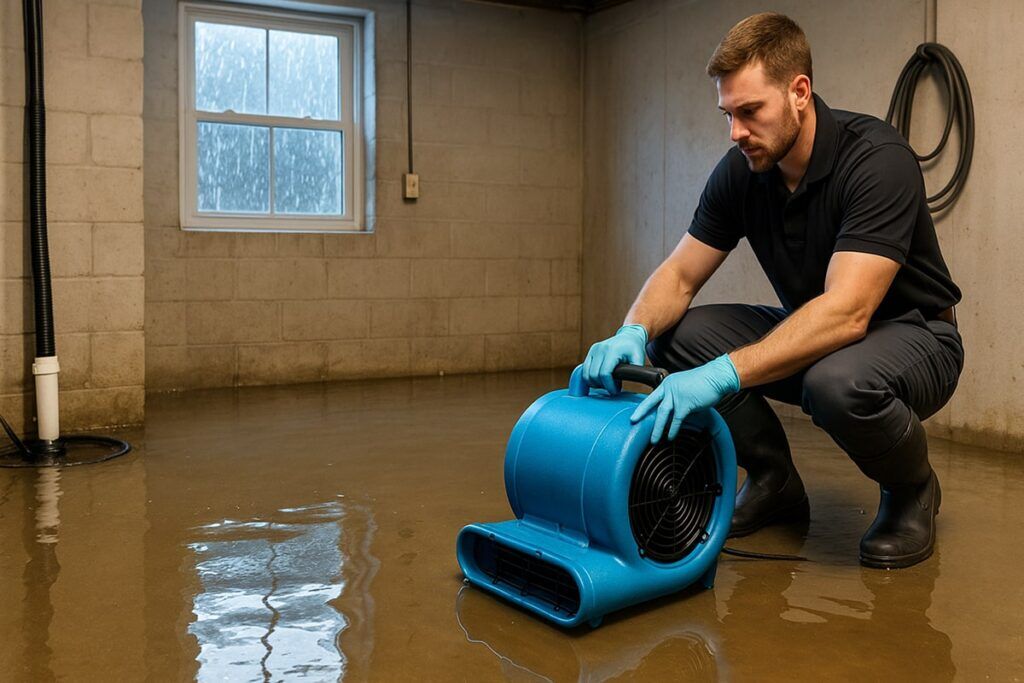
Hazardous Category 3 water requires certified containment, full PPE, and decontamination protocols. We handle the dangerous part safely.
How Our Sewage & Contaminated Water Service Works
Sewage and Category 3 water carry pathogens that cannot be cleaned with a mop. Our crews build containment, remove and dispose of contaminated materials per code, decontaminate the structure, and confirm clearance before rebuild.
- OSHA-compliant containment and PPE
- Removal and lawful disposal of porous contaminated materials
- EPA-registered antimicrobial treatment
- Full structure decontamination and verification
- Insurance-grade documentation of every step
Why Category 3 Water Is a Health Event, Not a Mess
The ANSI/IICRC S500 standard classifies sewage and rising floodwater as Category 3 — grossly contaminated water. Restoring it safely is as much about protecting people as it is about drying the building.
Category 3 water can carry bacteria such as E. coli and salmonella, viruses, parasites, and chemical contaminants picked up from drains, soils, and roadways. Exposure happens through skin contact, through aerosols stirred up during cleanup, and through cross-contamination when HVAC systems move contaminated air through the building. Porous materials — carpet, pad, upholstery, particleboard, saturated drywall — absorb these contaminants and generally cannot be sanitized, no matter how they are cleaned.
Category is also a moving target. Clean Category 1 water that sits for days, migrates through contaminated assemblies, or stays warm deteriorates to Category 2 or 3. That is why our crews classify the water on arrival and re-evaluate as conditions change.
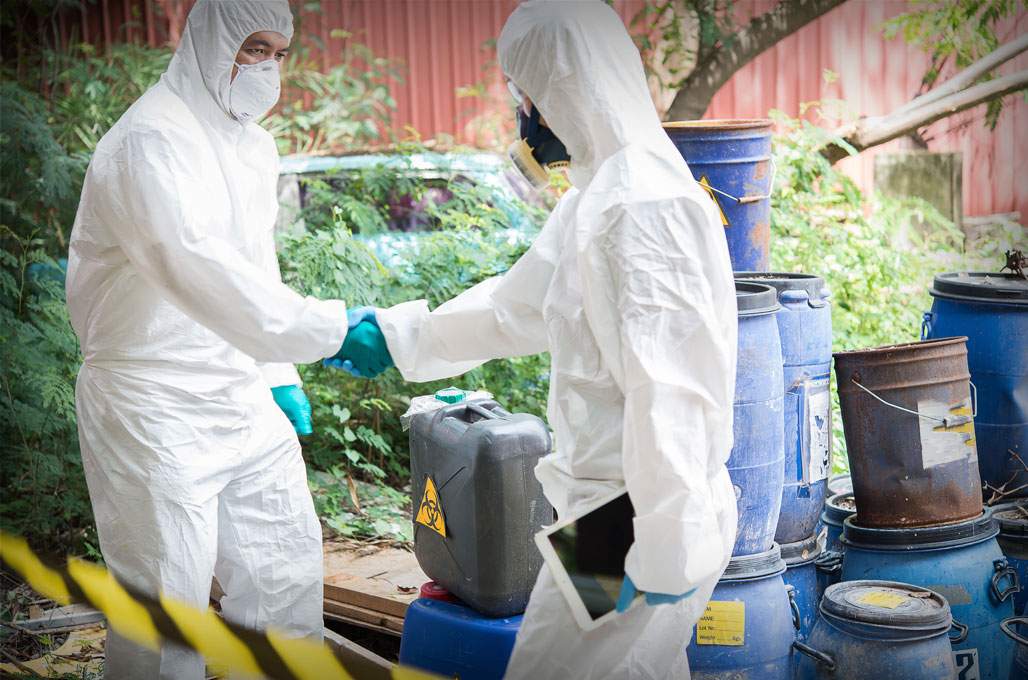
Because our technicians face occupational exposure to sewage, they work under the OSHA Bloodborne Pathogens Standard (29 CFR 1910.1030) where it applies — with training, full PPE, and decontamination procedures — and removed material is bagged, transported, and disposed of using EPA-compliant disposal procedures and local regulations. What protects our crews also protects your household.
Containment & HEPA Filtration
Work zones are isolated with physical barriers and negative-air containment so aerosols and cross-contamination stay out of the rest of the building.
EPA-Compliant Disposal
Contaminated debris is bagged at the source, manifested, and disposed of lawfully — never carried loose through your home or left curbside.
Contents Disposition
Every item is evaluated: non-porous contents are cleaned and disinfected; unsalvageable porous items are inventoried, photographed, and documented for your claim before disposal.
Sewage Cleanup, Step by Step
A controlled sequence that removes the hazard, verifies the cleanup, and documents everything.
Emergency Call & Safety Guidance
Dispatch walks you through immediate precautions — keep people and pets out of the affected area and shut down HVAC to stop cross-contamination.
Assessment & Containment
On-site, we confirm the source, classify the water per IICRC S500, and isolate the work zone with barriers and negative-air containment with HEPA filtration.
Removal & Extraction
Sewage, solids, and unsalvageable porous materials are extracted and removed under full PPE, bagged at the source for EPA-compliant disposal.
Cleaning & Antimicrobial Application
All affected surfaces are cleaned, then treated with EPA-registered antimicrobials appropriate to the materials and the contamination level.
Structural Drying & Verification
Air movers and industrial dehumidification dry the structure while daily moisture logs track progress to dry standard; the cleanup is verified before containment comes down.
Documentation & Rebuild Handoff
Photos, contents inventory, disposal records, and an Xactimate estimate complete your claim file, and repairs can begin on a verified-clean structure.
What Professional Sewage Cleanup Protects
Verified Health Protection
Containment, HEPA filtration, and post-cleaning verification mean the space is demonstrably safe to reoccupy — not just visibly clean.
Lawful, Documented Disposal
Contaminated waste leaves your property through EPA-compliant disposal procedures, with records that protect you from downstream liability.
A Defensible Claim File
Source, category, affected materials, contents disposition, and disposal are all documented — the detail adjusters need on contamination losses.

Trained for Contamination, Close to You
Sewage losses sit at the intersection of water restoration and environmental safety — exactly where an independent company with both water and biohazard divisions belongs. Our 5 branches cover Southern California and Western Arizona around the clock.
- IICRC Certified crews working to the S500 standard
- OSHA-trained personnel with full PPE protocols
- Negative-air containment and HEPA filtration on every Category 3 loss
- 24/7/365 dispatch, on-site typically in 2 to 4 hours
- Licensed & insured, with insurance-grade documentation

Sewage Claims Turn on the Details
Whether a backup is covered often depends on the source and your endorsements — many policies require a water backup rider for sewer and drain losses. We document what adjusters need to apply the policy correctly: the point of origin, the IICRC category determination, every affected material, and a photographed contents inventory with disposition decisions. Then we produce an Xactimate estimate and bill insurance directly where available.
- Cause-of-loss and category documentation
- Photographed contents inventory and disposal records
- Xactimate estimates and direct insurance billing
Free Water Damage Inspection
Suspect a slow drain backup or contaminated water intrusion? We will inspect the property, classify the water, and tell you exactly what a safe cleanup requires — free and without obligation.
Sewage & Contaminated Water Questions
Good to KnowCategory 3 water is grossly contaminated under the ANSI/IICRC S500 standard — sewage, rising floodwater, or water that has degraded over time. It can carry bacteria such as E. coli, viruses, parasites, and chemical contaminants. Contact, aerosols stirred up during cleanup, and cross-contamination through HVAC systems are all exposure routes, which is why containment and protective equipment are non-negotiable.
We strongly advise against it. Household cleaners cannot disinfect saturated porous materials, and cleanup without proper PPE exposes you to pathogens through skin contact and inhalation. Professional crews work under containment with negative air pressure, HEPA filtration, and EPA-registered antimicrobials, and verify the result before the space is reoccupied.
Porous materials that absorbed Category 3 water — carpet and pad, upholstered furniture, mattresses, particleboard, and saturated drywall and insulation — generally cannot be sanitized and are removed and disposed of. Non-porous and semi-porous items such as metal, glass, sealed wood, and hard plastics can usually be cleaned, disinfected, and restored. Every disposition decision is documented for your claim.
It depends on your policy. Many standard policies exclude sewer and drain backups unless you carry a water backup endorsement, while overflows from within the home are often treated differently. We document the source, category, and affected materials precisely so your adjuster can apply the policy correctly, and we bill insurance directly where available.
The work zone is sealed behind physical barriers and kept under negative air pressure with HEPA filtration, so contaminated air is captured rather than pushed into living spaces. Occupants stay out of the containment until cleaning, antimicrobial treatment, and verification are complete. In many losses the rest of the home remains fully usable.
Debris is double-bagged inside the containment, staged in covered containers, and removed under EPA-compliant disposal procedures and applicable local regulations. Nothing contaminated is carried loose through clean areas of the building, and disposal is recorded as part of your documentation package.
Yes. Water category can deteriorate. Clean Category 1 water that sits for days, passes through contaminated building materials or soils, or stays warm enough to support microbial growth is re-classified as Category 2 or 3 — another reason fast response matters.
More Water Damage Services

Water Extraction & Drying
Industrial pumps, truck-mounted extractors, and structural drying equipment to remove standing water and dry out structures fast.
Learn More
Burst Pipes & Flood Response
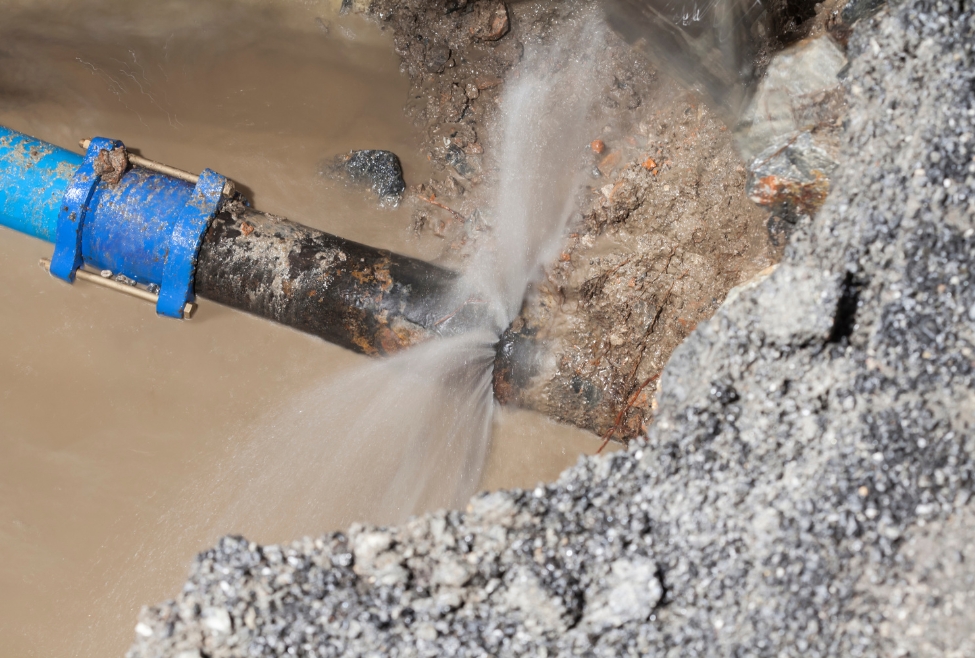
Burst pipe at 2 AM. Storm flood at the weekend. We respond in minutes, stabilize the loss, and start drying before damage spreads.
Learn MoreNeed Sewage & Contaminated Water? Call Respond Property Solutions.
We respond 24/7/365 and arrive on-site within 2 to 4 hours.