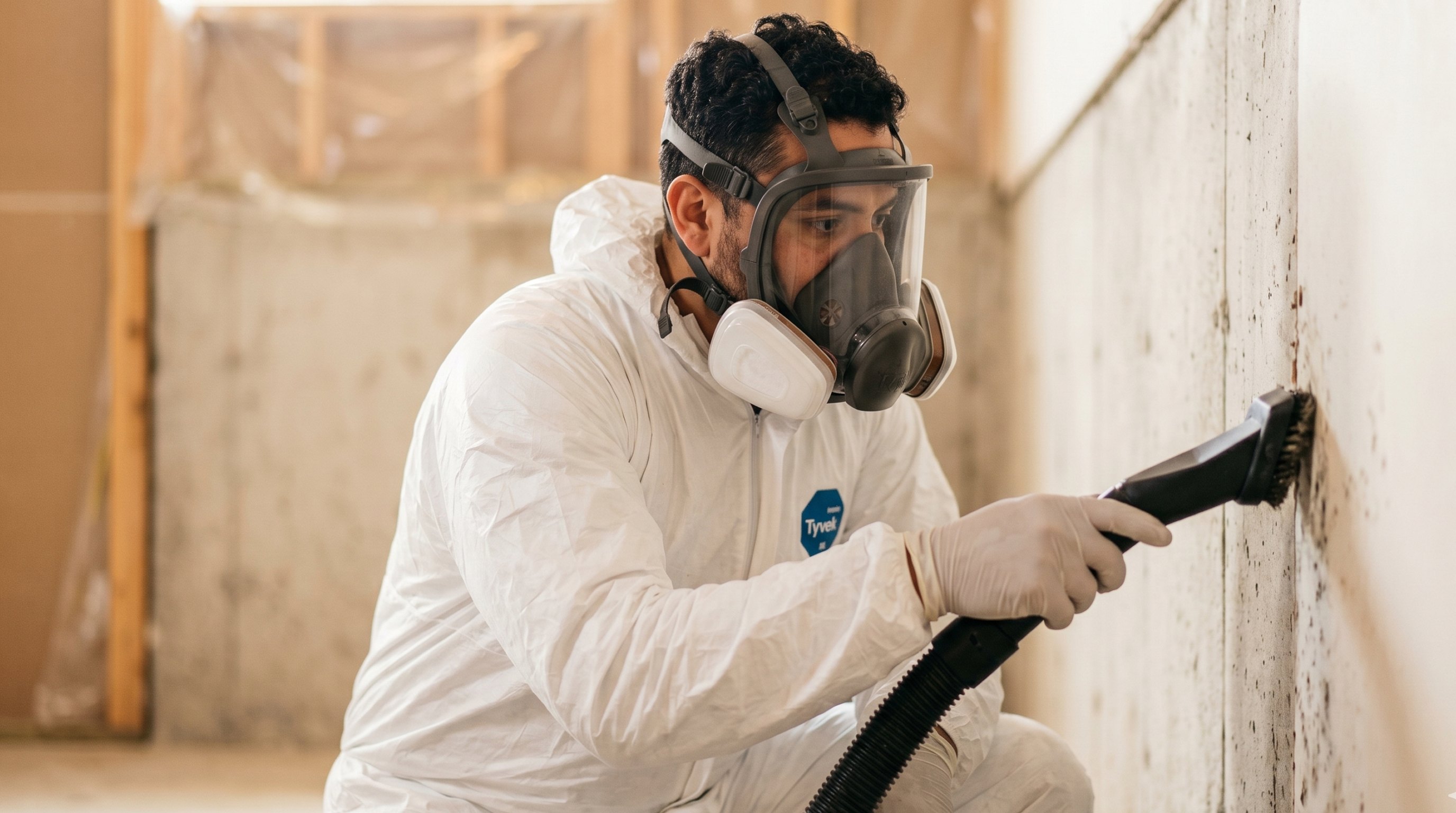
Mold Inspection & Testing
Visible mold is half the story. Our inspections find the moisture source, the hidden growth, and the air quality impact before remediation begins.
How Our Mold Inspection & Testing Service Works
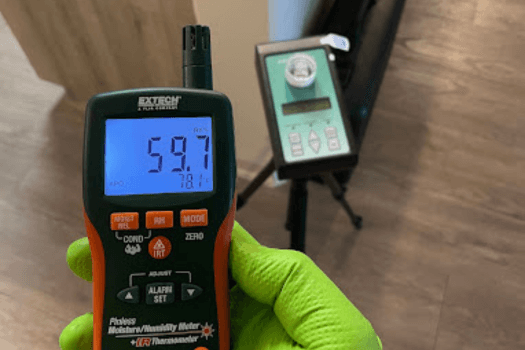
A real mold inspection is more than a flashlight check. Our certified inspectors use moisture meters, thermal imaging, and air sampling to map the full extent of growth and the moisture source feeding it. The report tells you exactly what needs to be done.
- Visual inspection with infrared thermography
- Moisture mapping with calibrated meters
- Air quality sampling sent to accredited labs
- Surface sampling where remediation scope is uncertain
- Written report with photos, lab results, and remediation scope
When Mold Testing Is Worth It — and When It Isn't
Some inspection companies sample everything because samples bill well. The professional answer is narrower: testing is a tool with specific uses, and if you can already see mold, the EPA's guidance is simple — it needs to be removed regardless of what species a lab says it is.
Testing Earns Its Keep When…
You smell mold but cannot find it; occupants report symptoms without visible growth; you need a documented baseline for a real estate transaction, landlord dispute, or insurance claim; or a remediation needs independent clearance verification.
Testing Adds Little When…
Mold is plainly visible and the moisture source is obvious. A lab report will not change the required action — contain, remove, fix the water. In those cases we tell you to put the sampling budget toward the fix instead.
What Sampling Can Tell You
Air samples compare indoor spore counts and types against outdoor baselines to reveal hidden amplification. Surface samples confirm whether a stain is mold at all. Neither establishes a "safe" exposure level — no such regulatory threshold exists — but both scope the problem.
What a real inspection always includes is moisture investigation. Moisture mapping with calibrated meters and thermal imaging traces water to its source — the slab crack, the flashing failure, the sweating supply line — because finding mold without finding its water only tells you half the story.
How a Professional Mold Inspection Works
Structured, instrument-driven, and honest about what testing can and cannot tell you.
History & Interview
Past leaks, odors, symptoms, and building history point the investigation before an instrument comes out of the case.
Visual Inspection
A room-by-room examination of the usual suspects: plumbing runs, window lines, roof penetrations, HVAC, and grade-level walls.
Moisture Mapping & Thermal Imaging
Calibrated moisture meters and infrared thermography reveal wet materials and temperature anomalies behind finished surfaces — without demolition.
Sampling Where Warranted
Air and surface samples are collected only when they will change the conclusion, and sent to an accredited laboratory for analysis.
Written Findings
You receive a report with photos, moisture readings, lab results, and a clear statement of what was found and where.
Remediation Scope
If remediation is needed, the report defines the containment boundary and removal scope under IICRC S520 — so any contractor's bid can be checked against it.

Inspectors Who Diagnose, Not Upsell
Because we also perform remediation, we know exactly what a useful inspection report has to contain — and because our inspections are free, there is no incentive to sample what does not need sampling.
- IICRC Certified inspectors across seven counties
- Moisture mapping and thermal imaging on every inspection
- Accredited-lab analysis for all air and surface samples
- Reports adjusters and buyers can actually use
- Independent third-party clearance recommended after remediation

Inspection Findings That Support Your Claim
Whether mold is covered usually depends on its cause: growth traced to a sudden, covered water loss is often covered, while mold from a chronic leak or deferred maintenance typically is not — every answer is policy-dependent. Our inspection documents the moisture source and timeline, which is precisely the evidence that question turns on. We prepare Xactimate estimates for any resulting scope and coordinate directly with your adjuster.
- Cause-and-origin moisture documentation
- Photo records and lab results in claim-ready format
- Xactimate estimates and direct billing where available
Free Mold Inspection
If you can smell it, have had a leak, or are seeing spots you cannot explain, start with the free inspection. You get the findings and the moisture map either way — no obligation to remediate with us.
Mold Inspection & Testing Questions
Good to KnowUsually not. Visible mold needs removal regardless of species — that is the EPA's own guidance — so a lab result rarely changes the plan. Testing earns its cost when growth is suspected but hidden, when you need documentation for a claim or transaction, or for post-remediation clearance.
Air samples draw a measured volume of air through a collection cassette and compare indoor spore levels and types against an outdoor baseline — useful for detecting hidden amplification. Surface samples (tape lifts or swabs) confirm whether a specific stain or dust is mold growth. They answer different questions, and a good inspection chooses accordingly.
Temperature differences, not mold itself. Evaporating moisture cools materials, so wet drywall or insulation shows as a cool signature on the infrared camera. Anomalies are then confirmed with a moisture meter — thermal imaging finds where to measure without opening walls.
Behind baseboards and cabinet backs after past leaks, inside wall cavities below window and roof leaks, under sinks, around shower pans, in HVAC closets, and on the backside of drywall in rooms that once flooded. A musty odor with no visible growth is the classic sign of a hidden colony — and the strongest case for sampling.
Yes. The visual inspection and moisture assessment are free, with no obligation. If laboratory sampling is warranted, we explain why before any sample is collected, so you decide with full information.
Ideally an independent third party — not the company that performed the remediation. Independent post-remediation verification removes any conflict of interest and gives you, your insurer, and any future buyer a clearance document that stands on its own. We recommend it on every sampled clearance.
Sometimes — typically when testing is part of investigating a covered water loss or verifying remediation the policy is paying for. Testing ordered purely for peace of mind usually is not covered. It is policy-dependent, and our documentation of the moisture cause is what gives the claim its footing.
More Mold & Environmental Services

Mold Remediation
Containment first. Then careful removal under negative pressure. Then air clearance testing before we tear it down. That is the IICRC S520 way.
Learn MoreAll Mold & Environmental Services
See every service we offer in the Mold & Environmental category.
View CategoryFree Inspection
Every project starts with a free, documented inspection and moisture assessment — no obligation.
Schedule a Free InspectionNeed Mold Inspection & Testing? Call Respond Property Solutions.
We respond 24/7/365 and arrive on-site within 2 to 4 hours.