Fire & Soot Cleanup
Soot is acidic and bonds quickly. We clean fast, with the right chemistry, so what can be saved is saved.
How Our Fire & Soot Cleanup Service Works
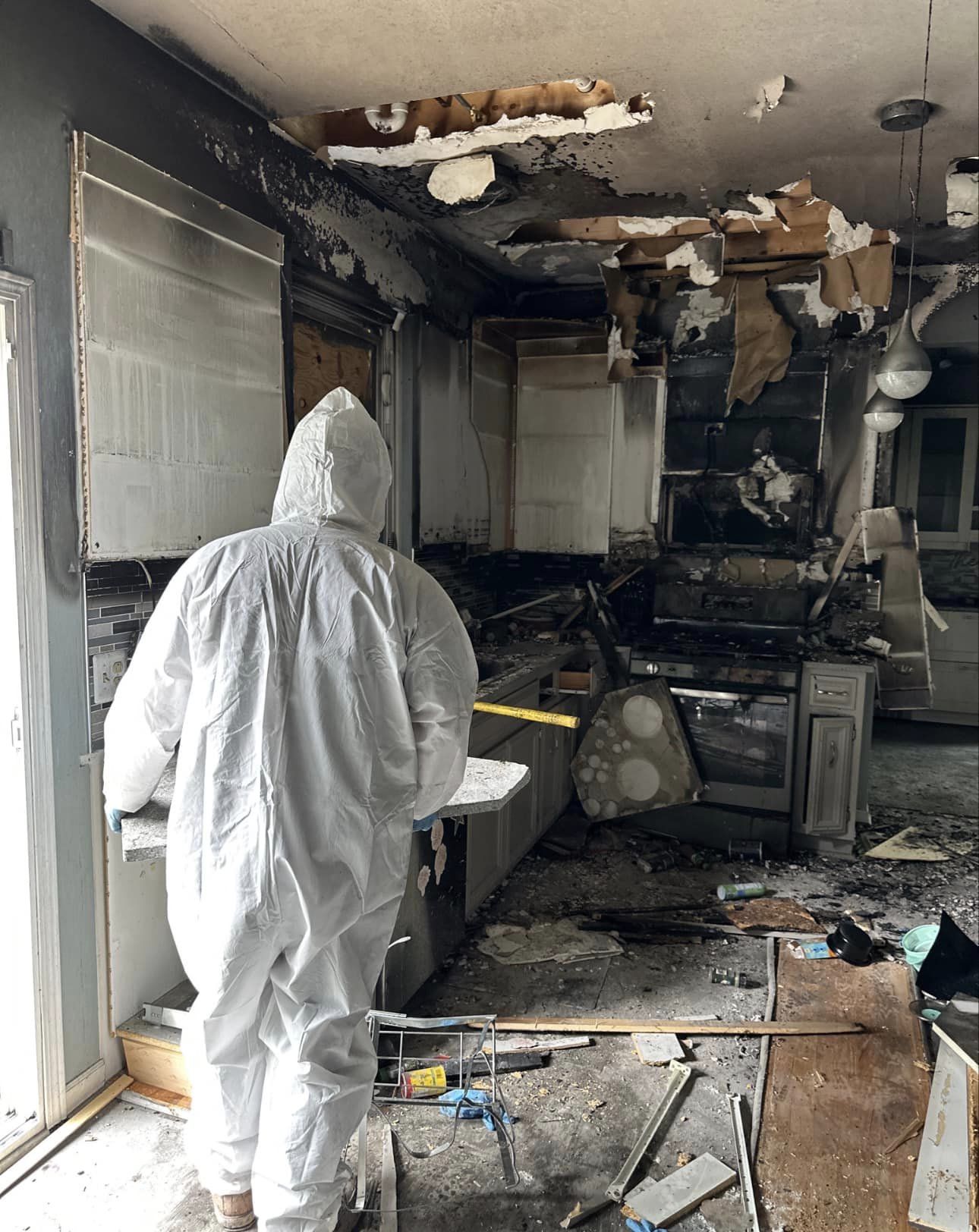
Soot deposits start corroding metal, glass, and finishes within 48 hours. Our crews evaluate every surface, choose the right cleaning method (HEPA vacuum, dry sponge, chemical sponge, immersion), and clean contents in our facility when on-site cleaning is not safe.
- Pre-loss inventory and content evaluation
- HEPA vacuum, dry sponge, and wet cleaning by material type
- Off-site pack-out and content cleaning when needed
- Soft contents (clothing, textiles) ozone and ultrasonic treatment
- Documentation suitable for your insurance claim
Know Your Residue Before You Touch a Surface
The single most common — and most expensive — mistake after a fire is cleaning with the wrong method. Under the ANSI/IICRC S700 standard, cleaning begins with residue identification and test cleaning, because each residue type behaves differently.
Protein Residue
From kitchen and cooking fires. A nearly invisible, greasy film with a pungent, rancid odor that discolors paint and varnish. It resists ordinary cleaners and must be dissolved with the correct chemistry, not scrubbed.
Synthetic Residue
From burning plastics, foams, and modern furnishings. Dense, smeary black soot that wipes into a worse stain if touched with household products. It requires dry-cleaning methods first, then controlled wet cleaning.
Natural Residue
From wood and paper. A dry, powdery gray-black soot that responds well to HEPA vacuuming and dry sponging — provided it is removed before humidity binds it into drywall, grout, and other porous materials.
Soot is acidic, and its damage runs on a corrosion timeline. In the first minutes, plastics and marble begin to discolor. Within hours, metal hardware tarnishes, appliance finishes yellow, and grout stains. Within days to weeks, metals pit and corrode, glass etches permanently, upholstery stains set, and the acidic film on circuit boards causes electronics to fail. Every hour before corrosion mitigation begins narrows what can be restored instead of replaced.
That is why our response starts with securing the structure — emergency board-up, roof tarping, and temporary power where utilities are shut off — followed immediately by pre-treatment of at-risk metals, stone, and electronics while the full cleaning plan is developed.
The Fire & Soot Cleanup Process
Every step is documented to insurance-grade standards, from the first photo to the final walkthrough.
Dispatch & Make-Safe
24/7/365 dispatch sends the nearest crew, typically on-site within 2 to 4 hours. Board-up, roof tarping, and temporary power secure the structure.
Assessment & Testing
We identify residue types, test-clean representative surfaces, and map moisture left by firefighting water so hidden damage is scoped from day one.
Corrosion Mitigation
Metals, stone, appliances, and electronics are pre-treated to stop acidic soot from etching and pitting while cleaning proceeds.
Structural Soot Removal
HEPA vacuuming, dry and chemical sponging, and method-matched wet cleaning remove residue from walls, ceilings, framing, and fixtures.
Contents Pack-Out & Cleaning
Salvageable belongings are inventoried, photographed, packed out, and cleaned — including ultrasonic baths for hard goods and ozone treatment for textiles.
Air Filtration
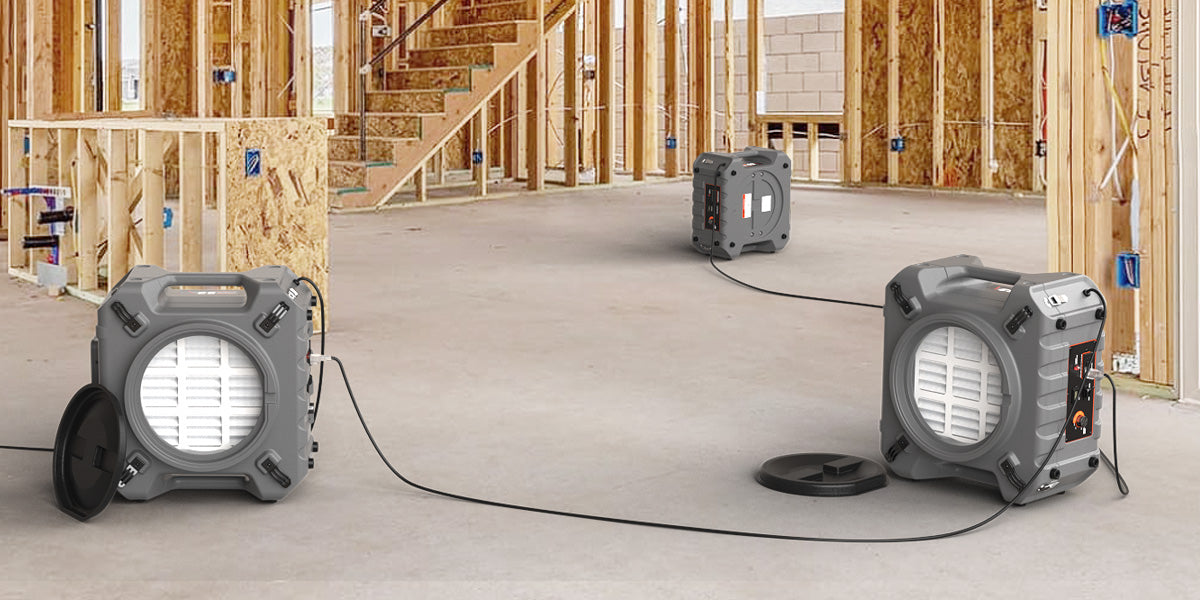
Negative-air containment and HEPA filtration run throughout the work so soot particles are captured instead of migrating to clean areas.
Final Walkthrough
You review every area with our crew lead, and the complete documentation package is finalized for your insurance claim.

A Salvage-First Cleanup, Fully Documented
Restoring costs your claim less than replacing — and keeps the belongings that matter. Our salvage-first approach pairs S700-aligned cleaning with the paperwork your carrier needs to approve it.
- Room-by-room photo documentation and itemized contents inventory
- Cleaning methods matched to residue and surface — never one-size-fits-all
- Secure pack-out, off-site cleaning, and storage until rebuild is complete
- Corrosion mitigation that preserves metals, stone, and electronics
- Non-salvageable items documented for your total-loss inventory
Built for Fire Losses in Our Region
Regional & Fast
Five branches across Southern California and Western Arizona put an IICRC Certified crew on-site typically within 2 to 4 hours, 24/7/365.
Certified & Trained
IICRC Certified technicians and OSHA-trained personnel working to the ANSI/IICRC S700 fire restoration standard on every loss.
Insurance-Fluent
Xactimate scopes, daily photo logs, and direct insurance billing where available — documentation adjusters can approve without back-and-forth.

We Build the Claim File While We Clean
Soot cleanup generates hundreds of line items — surfaces cleaned, methods used, contents restored or written off. We capture all of it in Xactimate, the estimating platform your adjuster already uses, and coordinate walkthroughs so questions get answered on-site, not by mail.
- Line-item Xactimate estimates and supplements
- Photo documentation from first arrival to final clean
- Direct insurance billing where available
Free Fire Damage Inspection
Not sure how far the soot traveled? An IICRC Certified inspector will assess the damage, document it with photos and thermal imaging, and give you insurer-ready findings — free.
Fire & Soot Cleanup Questions
Household cleaners smear synthetic soot deeper into surfaces and can permanently set stains, and acidic residue is a skin and respiratory irritant without proper PPE. Professional crews test-clean first, then match the method — HEPA vacuum, dry sponge, chemical sponge, or controlled wet cleaning — to each residue and surface.
Protein residue from kitchen fires is a near-invisible greasy film with a strong odor. Synthetic residue from burned plastics and furnishings is dense, black, and smeary. Natural residue from wood and paper is dry and powdery. Each demands a different cleaning sequence, which is why residue identification comes before any cleaning under IICRC S700.
Acidic soot begins discoloring plastics and marble within minutes. Within hours, metal hardware tarnishes and grout yellows. Within days to weeks, metals corrode and pit, glass etches, and the film on circuit boards causes electronics to fail. Early corrosion mitigation dramatically improves what can be saved.
A pack-out is the documented removal of your salvageable belongings to our facility for cleaning when on-site work is unsafe or the structure needs rebuild work. Every item is inventoried and photographed, cleaned with the appropriate method, and stored until your property is ready.
Often, if they are stabilized quickly. Acidic soot on circuit boards attracts moisture and corrodes traces, so we isolate affected electronics from power, apply corrosion inhibitors, and route items for specialized cleaning and evaluation before they are re-energized.
The ANSI/IICRC S700 Standard for Professional Fire and Smoke Damage Restoration is the consensus standard for this work. Practically, it means your cleanup follows a defined sequence — residue assessment, test cleaning, method selection by surface, contents handling, and documentation — rather than guesswork.
Most property policies cover soot removal and contents cleaning after a fire. We produce room-by-room photo documentation, itemized contents inventories, and Xactimate scopes, and bill your carrier directly where available.
More Fire & Smoke Services

Smoke Odor Elimination
Lingering smoke odor is not a deep clean problem. It is a chemistry problem. We solve it with the right treatment for the right materials.
Learn More
Structural Repair & Rebuild
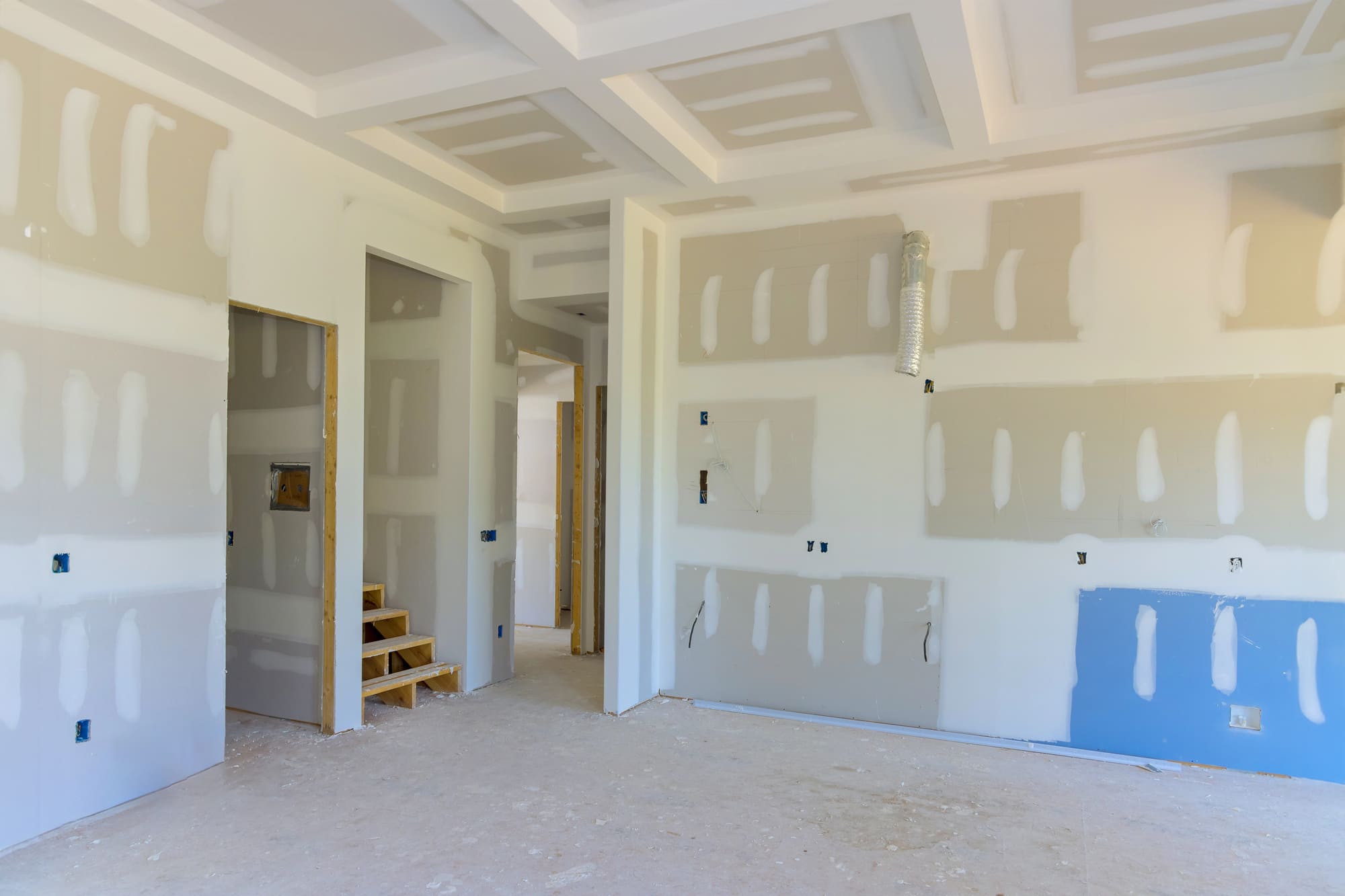
From the cleanup through the finish carpentry. One Respond Property Solutions contract, one project manager, one timeline.
Learn MoreNeed Fire & Soot Cleanup? Call Respond Property Solutions.
We respond 24/7/365 and arrive on-site within 2 to 4 hours.