Call 866.867.3123
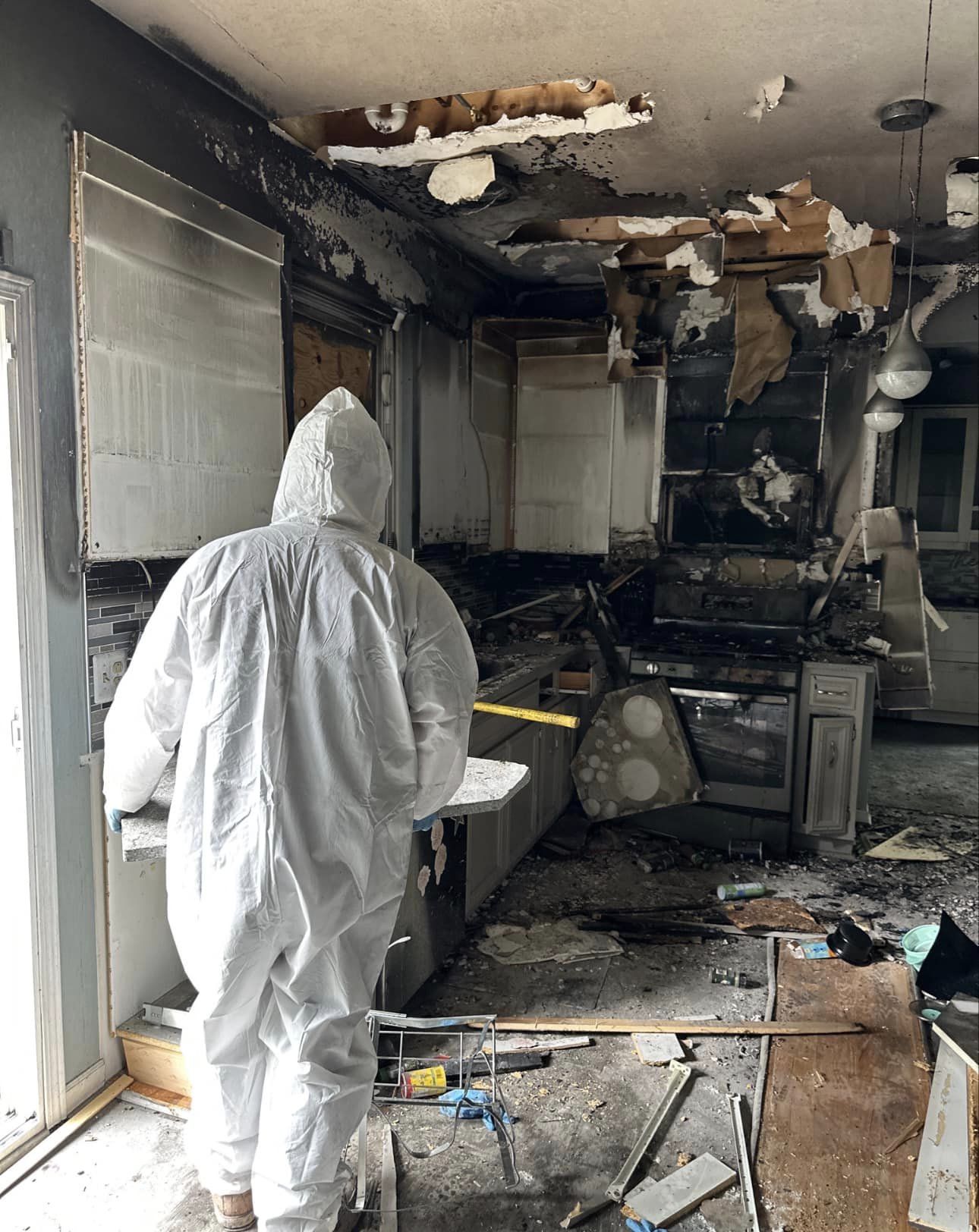
Restoration professional cleaning soot from walls in a fire-damaged US home
Division 03 · Fire & Smoke Recovery

Respond Fire & Smoke Recovery

We treat soot, smoke odor, and structural damage with the science it requires. From contents cleaning to managed rebuild, we return your property to its pre-loss state.

What We Offer

Fire & Smoke Services

Soot is acidic and corrodes everything it touches. Smoke odor penetrates porous materials at the molecular level. Both need professional treatment, not household cleaners.
Restoration technician carefully cleaning soot from personal belongings after a fire

Fire & Soot Cleanup

Soot is acidic and bonds quickly. We clean fast, with the right chemistry, so what can be saved is saved.

Learn More
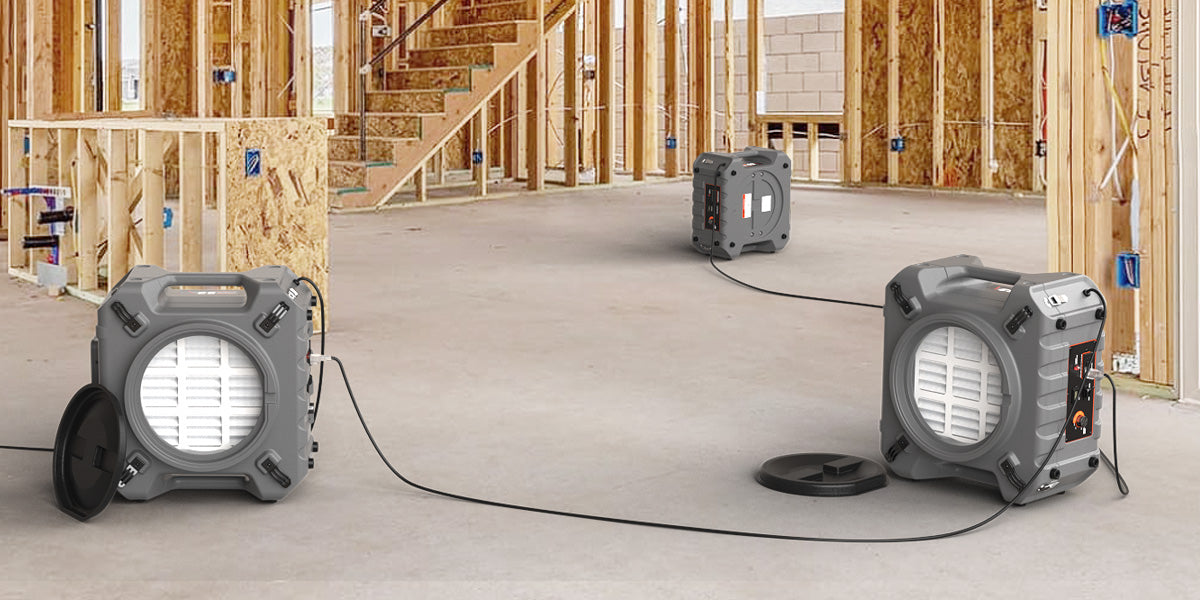
Odor elimination specialist operating air scrubbing equipment in smoke-damaged room

Smoke Odor Elimination

Lingering smoke odor is not a deep clean problem. It is a chemistry problem. We solve it with the right treatment for the right materials.

Learn More
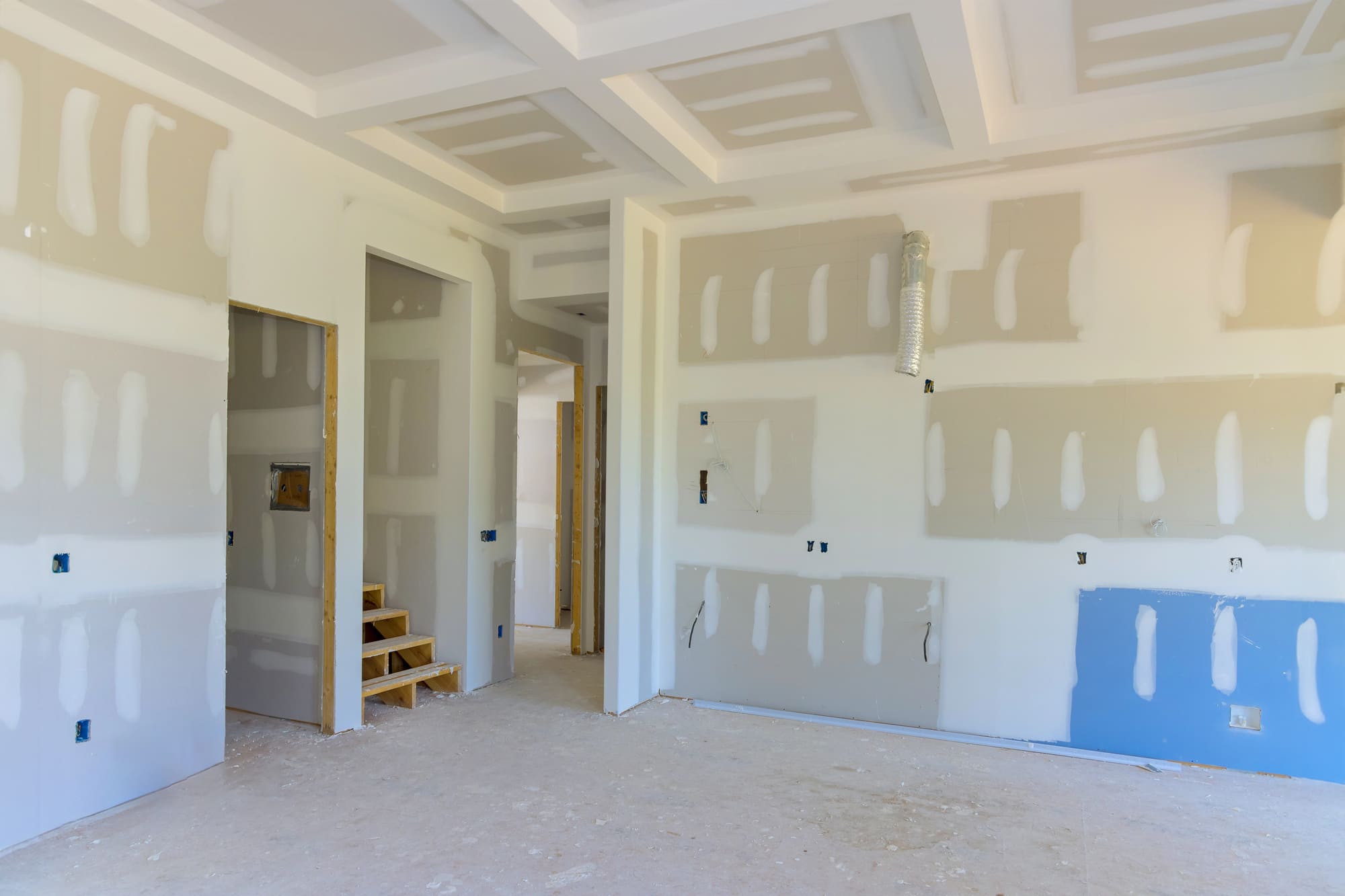
Restoration construction crew rebuilding interior walls in a fire-damaged US home

Structural Repair & Rebuild

From the cleanup through the finish carpentry. One Respond Property Solutions contract, one project manager, one timeline.

Learn More
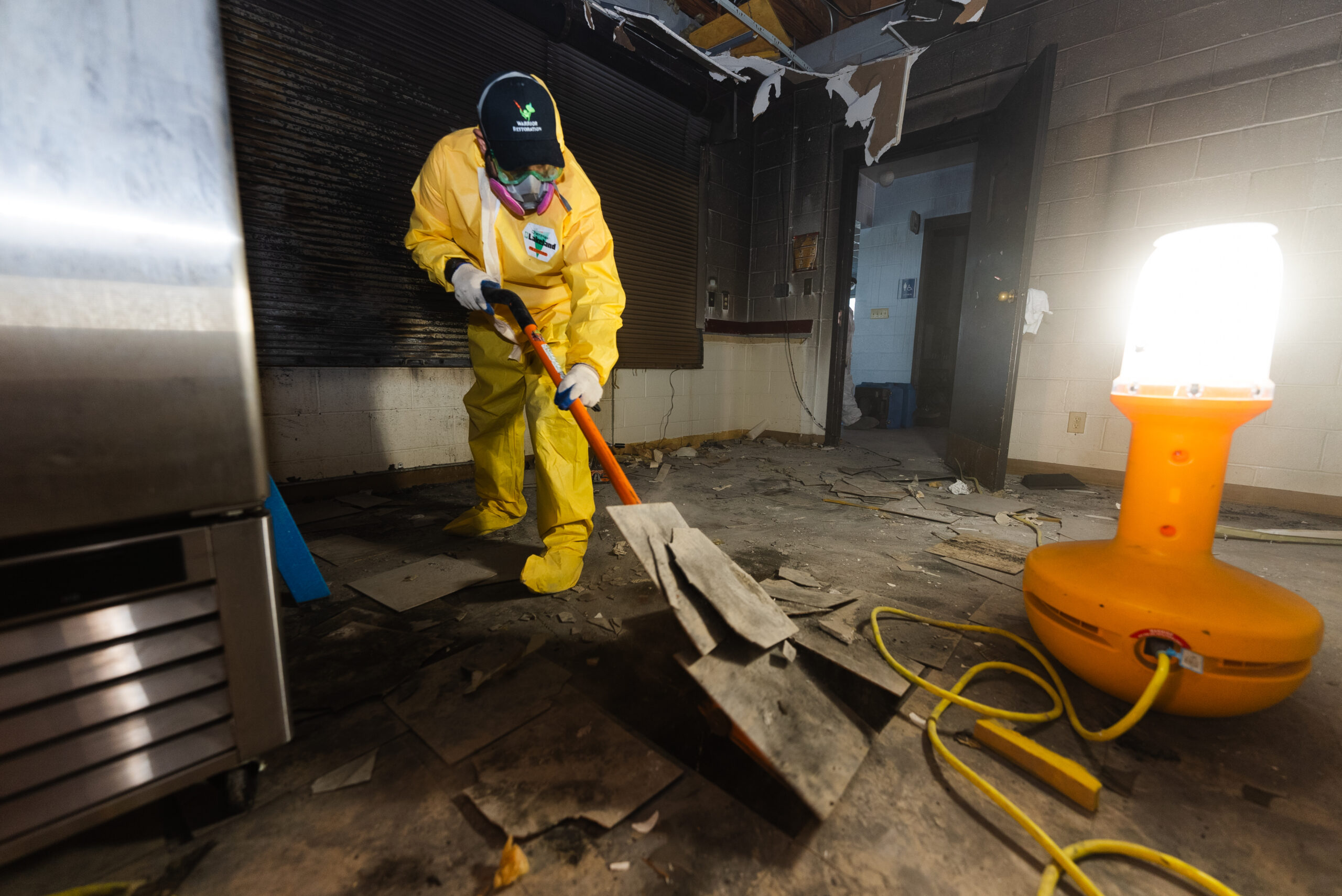
Understanding the Damage

What Fire & Smoke Actually Do to a Building

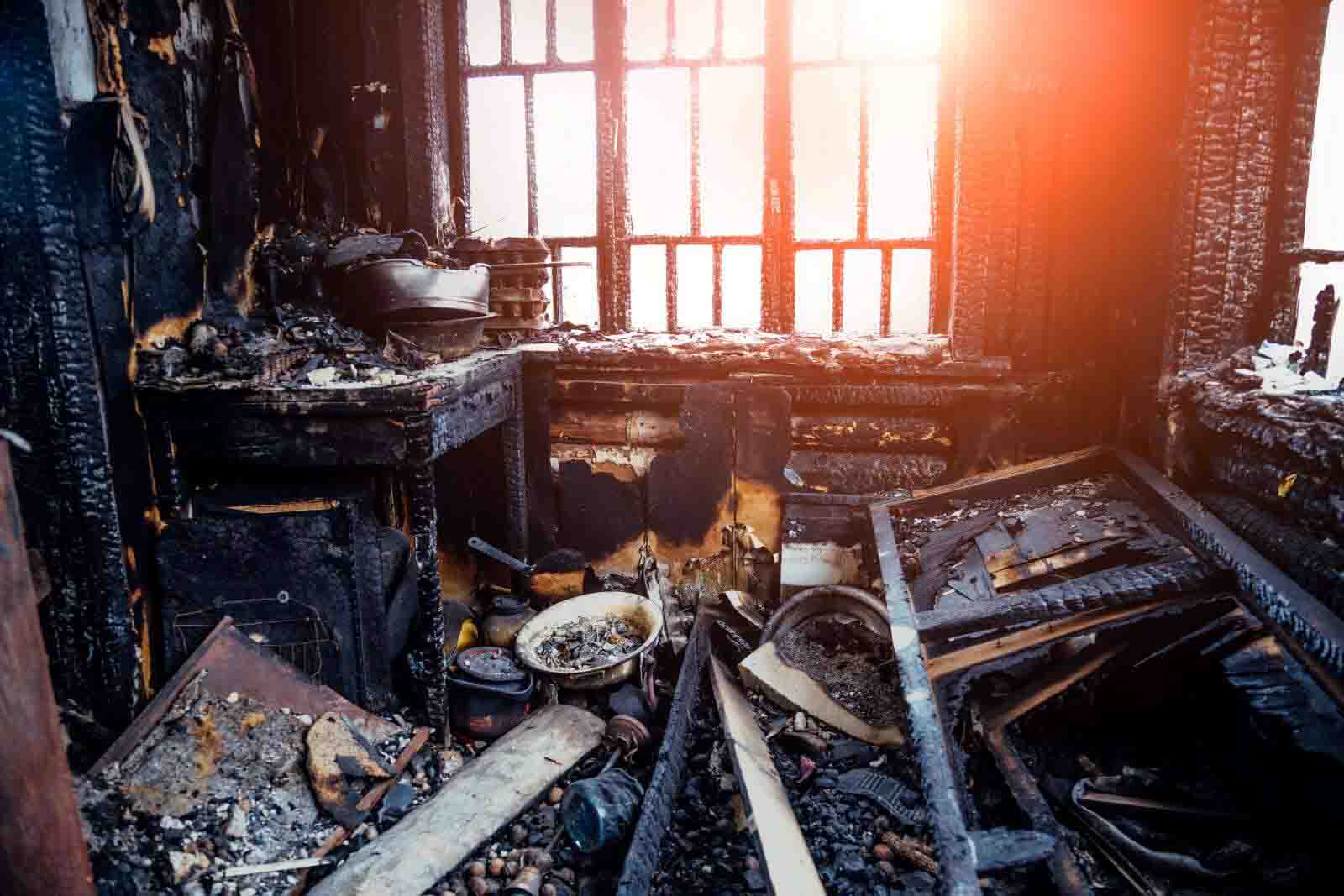
The flames are only the first event. The residues they leave behind are chemically active and keep attacking your property until they are identified, neutralized, and removed.

Protein Residue

Kitchen and cooking fires leave a nearly invisible film with a strong, rancid odor. It discolors paint and varnish and resists ordinary cleaners — it has to be broken down with the correct chemistry, not scrubbed harder.

Synthetic Residue

Burning plastics, foam, and modern furnishings produce a dense, smeary black soot. Wiping it with household products drives it deeper into the surface. It calls for dry-cleaning methods first, then controlled wet cleaning.

Natural Residue

Wood and paper burn into a dry, powdery gray-black soot. It responds well to HEPA vacuuming and dry sponging when treated early — before humidity binds it into porous surfaces like drywall and grout.

Every one of these residues is acidic, and acid works on a clock. Within minutes of the fire, soot begins discoloring plastics and marble. Within hours it tarnishes metal hardware and yellows bathroom grout. Within days to weeks, painted walls discolor permanently, metals corrode and pit, glass etches, and electronics fail from acidic film on circuit boards. The earlier corrosion mitigation begins, the more of your property survives.

Our crews work to the ANSI/IICRC S700 Standard for Professional Fire and Smoke Damage Restoration — the consensus standard that governs residue assessment, method selection by surface and residue type, contents handling, and insurance-grade documentation of the entire loss.

Crew boarding up windows to secure a fire-damaged property
The First Hours

Securing the Structure Comes First

Before any cleaning starts, the property has to be made safe and weather-tight. Our crews board up broken windows and doors, tarp compromised roof sections, and cordon off unsafe areas so the site is protected from weather, intrusion, and further loss — a step most insurers expect as part of your duty to mitigate.

  • Emergency board-up and roof tarping
  • Temporary power and lighting where utilities are shut off
  • Early corrosion mitigation on metals, appliances, and electronics
  • Every stabilization step photographed for your insurance claim
Request Emergency Service
Our Process

How a Fire & Smoke Recovery Unfolds

One team carries your property from the emergency call to the final walkthrough — with documentation at every step.

1

Call & Dispatch

Our 24/7/365 dispatch takes your call and mobilizes the nearest branch. Crews typically arrive on-site within 2 to 4 hours.

2

Secure & Stabilize

Board-up, roof tarping, temporary power, and safety fencing make the structure weather-tight and protect it from further loss.

3

Assess & Document

We identify residue types, test-clean representative surfaces, map any water used to extinguish the fire, and photograph everything for the claim.

4

Soot & Contents Cleaning

Structural surfaces are cleaned with methods matched to each residue; salvageable contents are inventoried, packed out, and cleaned.

5

Deodorization

Hydroxyl, thermal fogging, ozone in unoccupied structures, and HVAC cleaning remove odor at the source instead of masking it.

6

Repair & Rebuild

Our Managed Repair team rebuilds under one contract — permits, framing, systems, and finishes to pre-loss condition.

Fire and smoke damage restoration crew assessing charred room in US home
Why Respond Property Solutions

Built for the Specifics of Fire & Smoke Loss

Every fire & smoke loss is different. Our crews are trained to assess your specific situation, work with your insurer, and document the loss to a standard adjusters trust.

  • IICRC Certified technicians and crew leads
  • Audited, insurance-grade documentation on every job
  • Direct coordination with your adjuster from day one
  • Direct insurance billing where available
Request Service Now
Restoration project manager reviewing insurance claim documentation with a homeowner
Insurance Support

Documentation Your Adjuster Can Work With

Fire claims move on documentation. From the first walkthrough we build the file your carrier expects: room-by-room photo documentation, itemized contents inventories, moisture logs where water was used to extinguish, and line-item Xactimate scopes written in the format adjusters use themselves. Where available, we bill your carrier directly so you are not fronting the recovery.

  • Xactimate estimates and supplement handling
  • Photo documentation and daily logs from day one
  • Direct insurance billing where available
  • Adjuster walkthroughs coordinated for you
Visit the Insurance Resource Center
No Cost. No Obligation.

Start With a Free Fire Damage Inspection

An IICRC Certified inspector walks the property, maps damage with thermal imaging and moisture readings, photographs everything, and hands you insurer-ready findings — free, whether or not you hire us.

Fire & Smoke Questions

Good to Know

Only after the fire department clears the structure. Even then, soot, smoke residue, and air quality are unsafe without PPE. We can do the walkthrough with you in safe gear.

Yes, when it is treated correctly. Lingering odor usually means the cleaning stopped before reaching every source. Our certified deodorization protocols address structural cavities, HVAC, and porous materials, not just visible surfaces.

Most can. Our content cleaning teams use HEPA vacuums, ultrasonic baths, ozone, and other methods depending on each item. We document everything and itemize for your claim.

Within minutes, acidic soot begins discoloring plastics and marble. Within hours it tarnishes metal and yellows grout. Within days, walls discolor permanently, metals corrode and pit, and glass can etch. That timeline is why we dispatch 24/7 and typically arrive on-site within 2 to 4 hours.

The ANSI/IICRC S700 Standard for Professional Fire and Smoke Damage Restoration is the consensus standard our crews follow. It defines how fire residues should be assessed, which cleaning methods suit each residue and surface type, and how the work should be documented from start to finish.

Most policies cover fire, soot, and smoke damage, including odor treatment and rebuild. We document the loss with photos and an itemized Xactimate scope, bill your carrier directly where available, and work with your adjuster throughout the claim.

Both. Our Structural Repair & Rebuild team takes the project from mitigation through permits, reconstruction, and finish work under one contract with a single project manager.

24/7/365 Response

Fire & Smoke Worsens by the Hour. Call Now.

24/7/365 response with on-site arrival in 2 to 4 hours.