Call 866.867.3123
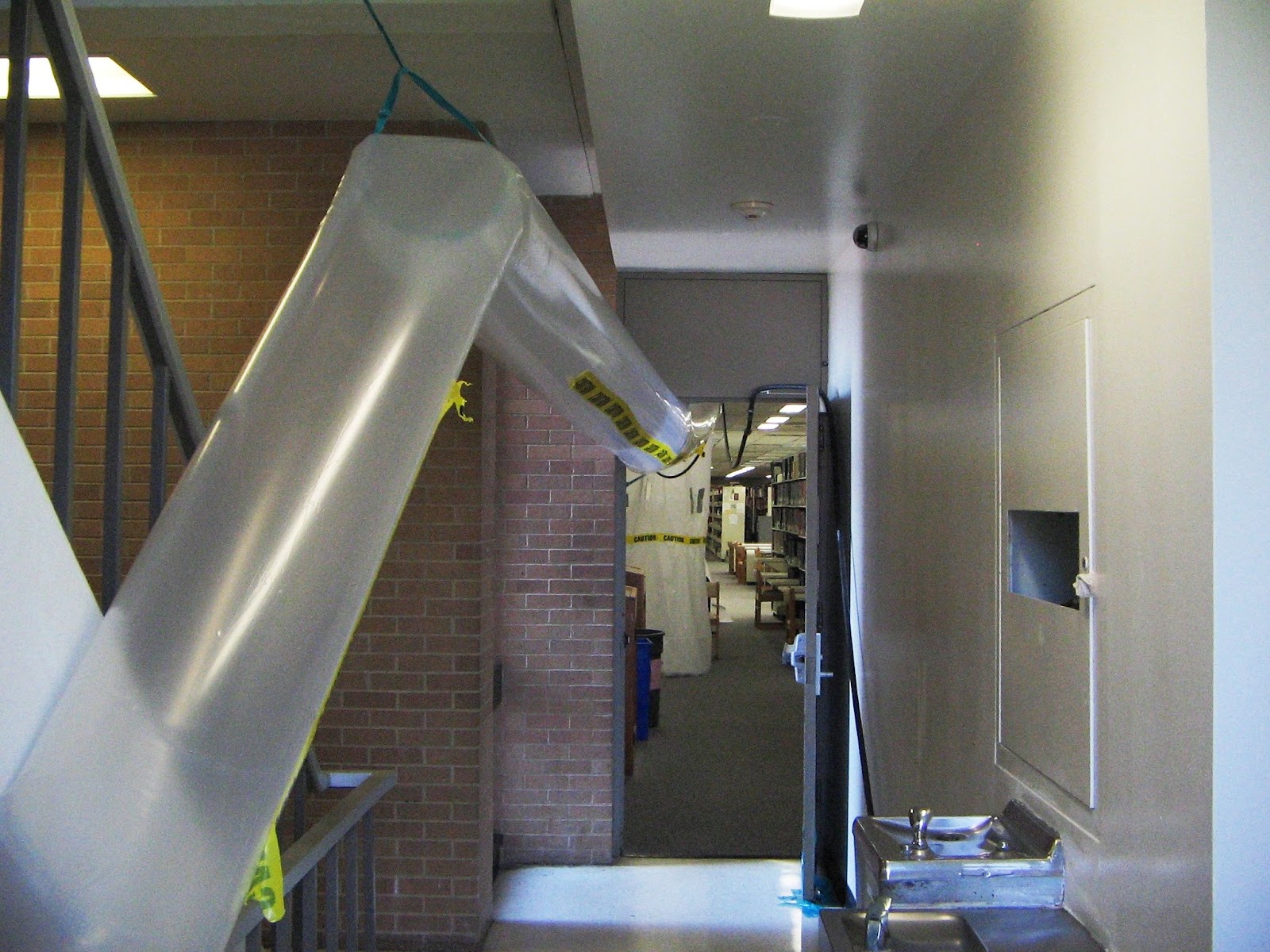
Mold remediation team setting up containment barriers in a US home
Division 05 · Environmental Solutions

Respond Environmental Solutions

We follow the IICRC S520 standard from inspection through clearance: containment, air filtration, removal, and verification. Done right, not just done.

What We Offer

Mold & Environmental Services

Mold is a health and structural problem. Cutting it out without containment spreads spores. Our IICRC protocols protect the rest of the building from cross-contamination.
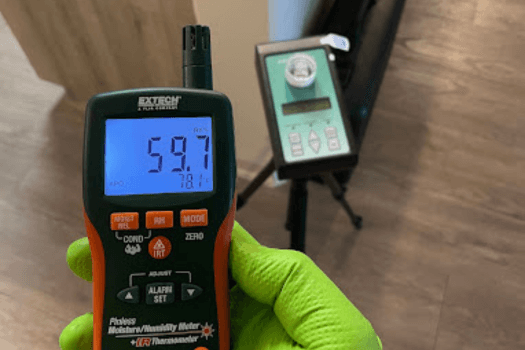
Mold inspector using moisture meter and air sampling equipment in a US home

Mold Inspection & Testing

Visible mold is half the story. Our inspections find the moisture source, the hidden growth, and the air quality impact before remediation begins.

Learn More
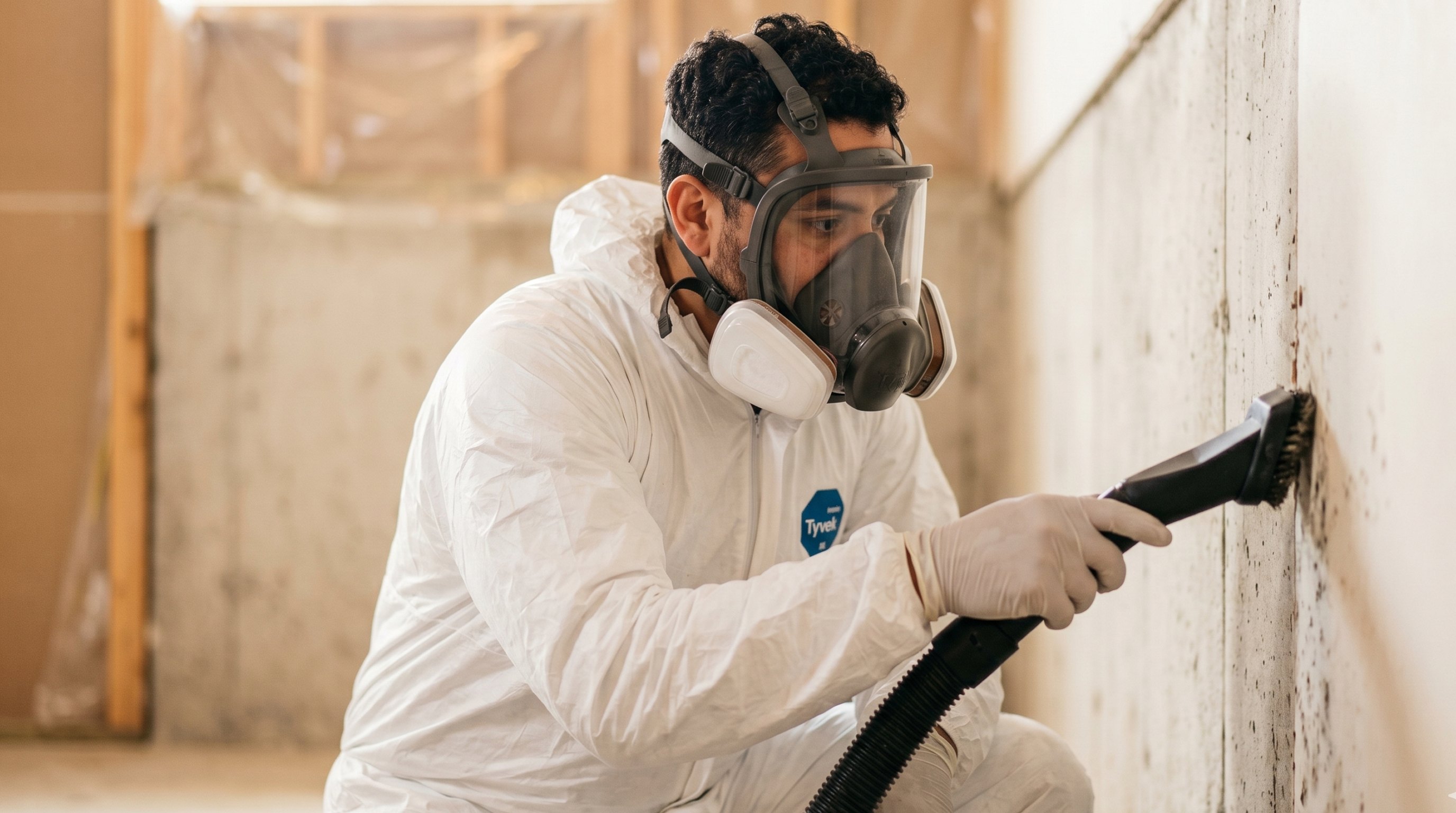
Mold remediation crew in protective suits removing contaminated drywall in a US home

Mold Remediation

Containment first. Then careful removal under negative pressure. Then air clearance testing before we tear it down. That is the IICRC S520 way.

Learn More

Not Sure Which Service You Need?

Call our 24/7 dispatch line. We will assess the situation and dispatch the right local team.

Call 866.867.3123
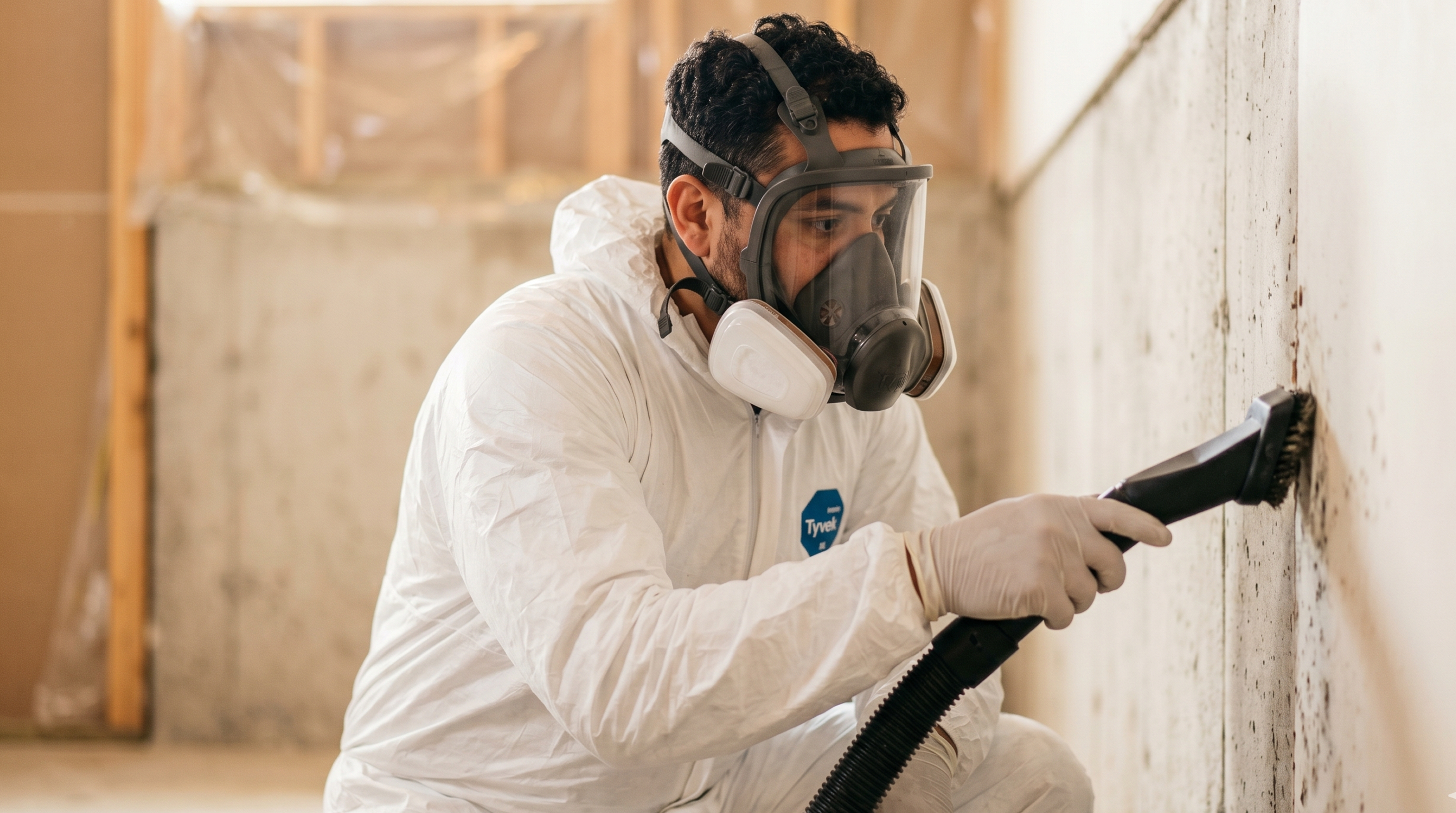
Mold remediation specialist in protective gear inspecting mold in a US home
Why Respond Property Solutions

Built for the Specifics of Mold & Environmental Loss

Every mold & environmental loss is different. Our crews are trained to assess your specific situation, work with your insurer, and document the loss to a standard adjusters trust.

  • IICRC Certified technicians and crew leads
  • Audited, insurance-grade documentation on every job
  • IICRC S520 containment, negative air, and HEPA filtration
  • Direct insurance billing where available
Request Service Now
The Science

What Mold Actually Needs — and Why That Drives Everything We Do

Mold spores are everywhere, indoors and out. Growth only starts when three conditions line up. Remove any one of them and the colony stops; remove the moisture and it cannot come back.

Moisture

A leak, condensation, elevated humidity, or a past water loss that never fully dried. This is the non-negotiable ingredient — which is why every credible remediation starts with moisture mapping and ends only after the source is fixed.

Food

Cellulose-based building materials — drywall paper, wood framing, insulation facing, dust itself — feed mold indefinitely. Buildings are, in effect, made of mold food. You cannot remove the food; you can only control the water.

Time

Given moisture and material, growth can begin in roughly 24 to 48 hours. That window is why fast structural drying after a water loss is the most effective mold prevention there is.

This is also why "spraying bleach" fails. Bleach is mostly water, its active ingredient does not penetrate porous materials, and it does nothing about the moisture source — so the surface looks clean while the colony continues inside the material. The ANSI/IICRC S520 standard calls instead for physical removal of colonized porous materials under negative-air containment with HEPA filtration, followed by verification.

Our Process

The S520 Sequence, Start to Finish

Order matters. Each step protects the ones after it.

1

Inspect & Moisture Map

Moisture meters and thermal imaging find the water source and the full footprint of growth — including what is hidden in walls and cavities.

2

Fix the Moisture First

The leak, intrusion, or humidity problem is corrected before remediation. Removing mold while the water remains guarantees a repeat.

3

Contain the Work Area

Plastic containment with HEPA-filtered negative air keeps spores disturbed by the work from spreading through the rest of the building.

4

Remove & Clean

Colonized porous materials are removed and bagged inside containment; remaining surfaces are HEPA-vacuumed and damp-wiped.

5

Verify Before Rebuild

Post-remediation verification — by an independent third party whenever sampling is involved — confirms the space is back to normal conditions before containment comes down.

Property owner reviewing mold remediation insurance documentation with a project manager
Insurance Support

Mold Coverage Turns on One Question: What Caused It?

Mold resulting from a sudden, covered water loss — a burst pipe, an appliance failure — is often covered, at least up to a mold sublimit. Mold from a chronic, unaddressed leak or long-term humidity usually is not. Every policy differs, so the honest answer is always policy-dependent — and the deciding evidence is documentation of the cause.

  • Cause-of-loss documentation with photos and moisture readings
  • Xactimate estimates for remediation scope
  • Direct insurance billing where available
  • Claim assistance and adjuster coordination
Visit the Insurance Resource Center
No-Cost Assessment

Free Mold Inspection

Musty odor, a past leak, or visible spotting? Have it looked at before it spreads. Our certified team will inspect, moisture-map, and explain your options — free and without obligation.

Mold & Environmental Questions

Good to Know

It can be, especially for people with allergies, asthma, or compromised immune systems. The CDC recommends remediation of any visible mold growth regardless of species.

Coverage varies. Mold caused by a covered water event (a burst pipe, for example) is often covered; long-term mold from unrepaired leaks is typically not. We help document the cause.

Typical residential projects take 3 to 7 days from containment setup through clearance testing. Larger commercial projects scale with the affected square footage.

Bleach whitens the surface stain but does not penetrate porous materials like drywall or wood, where the colony's root structure lives — and it adds moisture while leaving the water source untouched. The IICRC S520 approach is physical removal of colonized porous materials under containment, not surface chemicals.

Because mold cannot grow without moisture, and it can restart within 24 to 48 hours of remediation if the water source remains. Fixing the leak or humidity problem first is the only way remediation produces a lasting result — any remediation quote that skips this step is treating the symptom.

Disturbing mold releases far more spores than leaving it alone. Containment — sealed plastic barriers with HEPA-filtered negative air machines — keeps that release inside the work area instead of spreading it through the HVAC system to the rest of the building. Cutting out moldy drywall without containment often makes the building worse.

Post-remediation verification: a visual and moisture check, and — where sampling is warranted — air or surface samples analyzed by an accredited lab. For sampled clearances we recommend an independent third party rather than the remediator grading its own work, and containment stays up until the space passes.

24/7/365 Response

Mold & Environmental Worsens by the Hour. Call Now.

24/7/365 response with on-site arrival in 2 to 4 hours.