Call 866.867.3123
Respond Property Solutions

Drug Lab & Fentanyl Cleanup

Deep decontamination and hazardous material removal that eliminates toxic chemical residues from meth labs, fentanyl exposures, and other illicit drug production sites — across the US, 24/7.
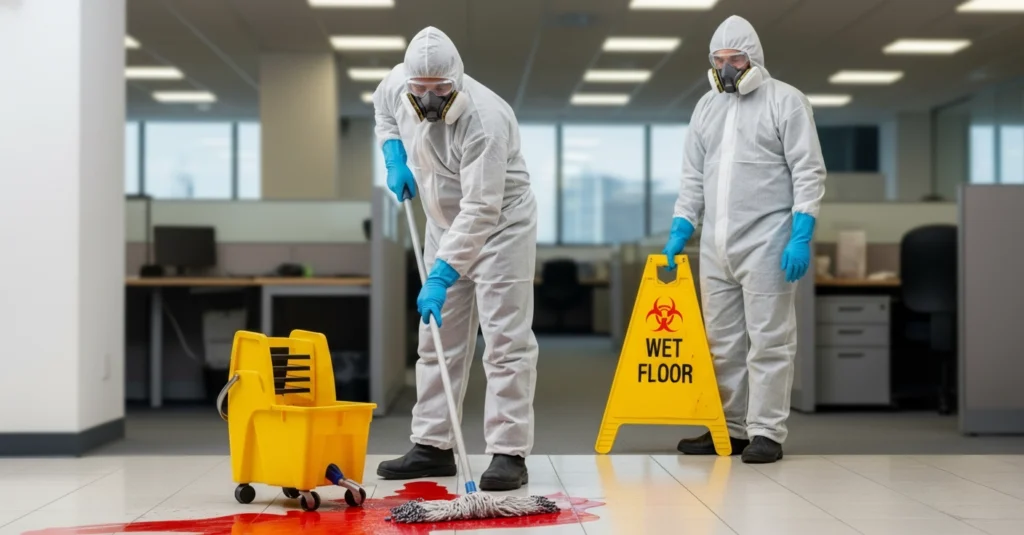
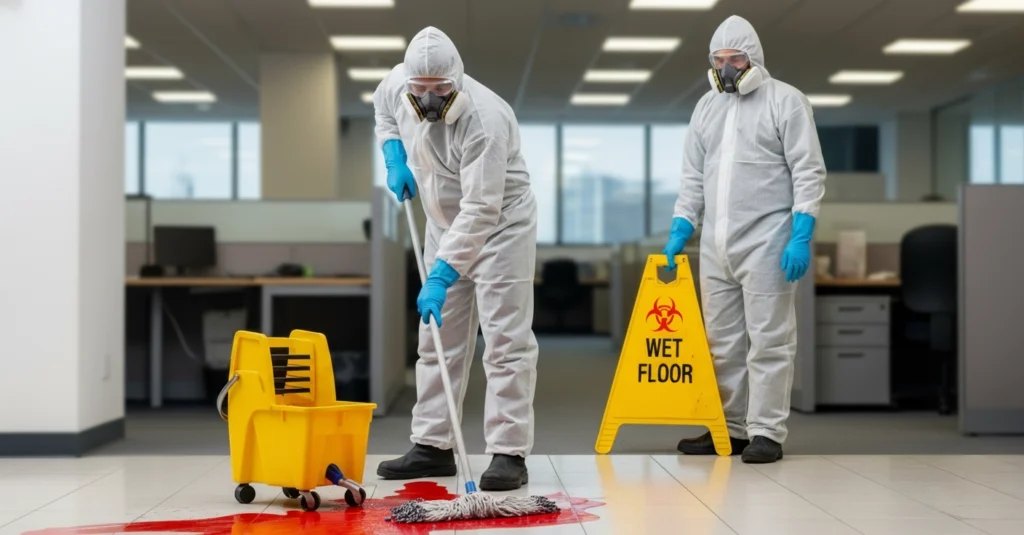
Drug Lab & Fentanyl Cleanup — Respond Property Solutions specialist team on-site
Specialty & Biohazard

How Our Drug Lab & Fentanyl Cleanup Service Works

Methamphetamine production and fentanyl exposure leave behind potent chemical residues that bind to surfaces, fabrics, HVAC systems, and structural materials. Generic cleaning does not remove them. Our certified teams follow state drug-lab remediation guidelines, OSHA chemical-handling protocols, and verified decontamination procedures — and document every step for property owners, law enforcement, and insurers.

  • Full PPE and respiratory protection per OSHA
  • Methamphetamine and fentanyl-residue decontamination
  • Affected materials lawfully removed and disposed
  • HVAC decontamination and air-quality verification
  • Post-remediation testing and clearance documentation
  • Discreet response — unmarked vehicles available
Request This Service
0
Regional Branches
0
Emergency Dispatch
0
Average Response Time
The Hazard Behind the Residue

Understanding Drug Lab & Fentanyl Decontamination

Chemical residue is invisible, persistent, and genuinely dangerous. Removing it is hazardous-material work, not cleaning.

Clandestine methamphetamine production releases a range of toxic chemicals that settle onto and into building materials, while fentanyl — extraordinarily potent even in trace amounts — leaves residue in dust, on surfaces, and in soft goods. Both bind to walls, ceilings, flooring, carpet, upholstery, and HVAC components, and both can persist for a long time after the activity has stopped. The residue is invisible, which is exactly what makes it dangerous: a property can look ordinary and still expose occupants, especially children and pets, through contact or airborne dust. This is why remediation is treated as hazardous-material work rather than a cleaning task.

Our response is built around OSHA HAZWOPER-trained personnel (29 CFR 1910.120) working in full PPE with respiratory protection. Before anything is disturbed, we isolate the affected area with physical containment and negative-air machines fitted with HEPA filtration, so contaminated dust and air are captured instead of spread into clean areas or the building's ventilation. HVAC components are decontaminated or removed because they can hold and recirculate residue long after surfaces are cleaned. Porous materials that cannot be brought to a safe level are removed, and salvageable surfaces are treated with specialized cleaning agents appropriate to the contaminant.

The endpoint of this work is measured, not assumed. Surface sampling before and after remediation quantifies residue levels, and post-remediation testing verifies the reduction against the applicable threshold. Many states and local jurisdictions impose specific decontamination and clearance requirements for former drug-manufacturing properties — including testing standards and documentation that must be satisfied before a property can be reoccupied. Requirements vary by location, so we work to the standards that apply to your property and assemble the clearance documentation those processes require. Hazardous waste is transported by licensed carriers under DOT transportation compliance and disposed of through EPA-compliant procedures.

Our Process

How Decontamination Proceeds

A contained, tested, and documented sequence from assessment through clearance.

1

Assess & Test

HAZWOPER-trained technicians evaluate the property and take baseline surface samples to map the extent and level of contamination.

2

Contain

Physical containment and negative-air machines with HEPA filtration isolate the work zone so residue is not spread during remediation.

3

Remove

Unsalvageable porous materials and contaminated HVAC components are removed and handled as hazardous waste.

4

Decontaminate

Salvageable surfaces are treated with specialized cleaning agents matched to the contaminant, with HVAC decontaminated to stop recirculation.

5

Verify

Post-remediation surface testing confirms residue has been reduced to the applicable clearance threshold; areas that do not pass are re-treated.

6

Document & Dispose

Clearance documentation is issued, and hazardous waste is transported by licensed carriers under DOT compliance for EPA-compliant disposal.

What You Get

What Working With Our Team Means

Hazardous-material rigor, verified results, and documentation that lets a property move forward.

HAZWOPER-Trained Crews

Hazardous-material specialists (29 CFR 1910.120) in full PPE and respiratory protection handle the work safely.

True Containment

Negative-air machines with HEPA filtration keep contamination from spreading through the structure or HVAC.

Tested, Not Guessed

Before-and-after surface sampling measures residue and confirms the reduction against the applicable threshold.

Clearance Documentation

Records that satisfy state and local reoccupancy requirements and reassure lenders and insurers.

Lawful Hazardous Disposal

Waste transported by licensed carriers under DOT compliance and disposed of through EPA-compliant channels.

Discreet Response

Unmarked vehicles available so a sensitive situation stays private to the people who need to know.

HAZWOPER-trained technicians decontaminating a contaminated property under containment
Why Respond Property Solutions

Built for Hazardous, Regulated Decontamination

Chemical decontamination is unforgiving work with legal consequences if it is done incompletely. We bring the training, containment, testing, and paperwork to do it right the first time.

  • OSHA HAZWOPER-trained personnel (29 CFR 1910.120)
  • Negative-air containment and HEPA filtration on every job
  • Pre- and post-remediation surface testing with clearance documentation
  • Work performed to applicable state and local clearance standards
  • Five regional branches across Southern California & Western Arizona
  • Licensed hazardous-waste transport under DOT compliance
Speak with a Restoration Expert
Insurance

Documentation for Owners, Lenders & Insurers

When decontamination is a covered loss, our records keep the claim moving.

Clearance documentation prepared for a drug-lab decontamination claim

Whether chemical decontamination is a covered loss depends on your policy and the circumstances. Property owners, lenders, and insurers all rely on the same thing — evidence that the property was tested, decontaminated, and cleared. We produce that documentation as part of the job.

  • Photo documentation and surface-test results before and after work
  • Xactimate-compatible scopes carriers and adjusters recognize
  • Hazardous-waste manifests retained for the file
  • Direct billing to your carrier where the policy allows

Our Insurance Resource Center explains how claims are documented, billed, and coordinated.

Visit the Insurance Center
No-Obligation Assessment

Free Biohazard Site Evaluation

Suspect meth or fentanyl contamination? A HAZWOPER-trained technician can assess the property and outline a testing and clearance plan at no cost.

Good to Know

Drug Lab & Fentanyl Cleanup Questions

Methamphetamine production and fentanyl exposure leave microscopic chemical residues that bind to walls, ceilings, flooring, fabrics, and HVAC systems and can persist for a long time. Ordinary cleaning spreads them rather than removing them. Effective decontamination requires containment, specialized cleaning agents, removal of unsalvageable materials, and testing to confirm residue has been reduced to a safe level.

Fentanyl is extremely potent, and residue on surfaces or in dust can pose a serious exposure risk, particularly to children and pets. Because of that risk, our crews treat these sites as hazardous-material work — using full PPE and respiratory protection and controlling the area so residue is not disturbed and spread during the process.

We isolate the affected area with physical containment and negative-air machines fitted with HEPA filtration, so contaminated air and dust are captured rather than pushed into clean parts of the building or the HVAC. HVAC components are decontaminated or removed because they can hold and recirculate residue.

Yes. Surface sampling before and after work measures residue levels, and post-remediation testing verifies the reduction. We provide clearance documentation recording the results so property owners, lenders, and insurers have evidence the decontamination was effective.

Many states and local jurisdictions set specific decontamination and clearance requirements for properties used to manufacture drugs, including mandatory testing thresholds and documentation before a property can be reoccupied. Requirements vary by location. We work to the applicable state and local standards for your property and provide the documentation those processes call for.

Contaminated materials are handled as hazardous waste by OSHA HAZWOPER-trained personnel, transported by licensed carriers under DOT transportation compliance, and disposed of through EPA-compliant procedures. Documentation is retained for the clearance file.

Related

More Specialty & Biohazard Services

Trauma scene response team

Trauma Scene Cleanup

Discreet, compassionate response after death or injury — OSHA-aligned and family-first.

Learn More
Biohazard decontamination crew

Biohazard Decontamination

Blood, bodily fluids, infectious agents. Full PPE, OSHA-compliant, with verified clearance.

Learn More

All Specialty & Biohazard Services

See every service we offer in the Specialty & Biohazard category.

View Category
24/7/365 Response

Need Drug Lab or Fentanyl Decontamination? Call Respond Property Solutions.

We respond 24/7/365 and arrive on-site within 2 to 4 hours.