Respond Water Damage Recovery
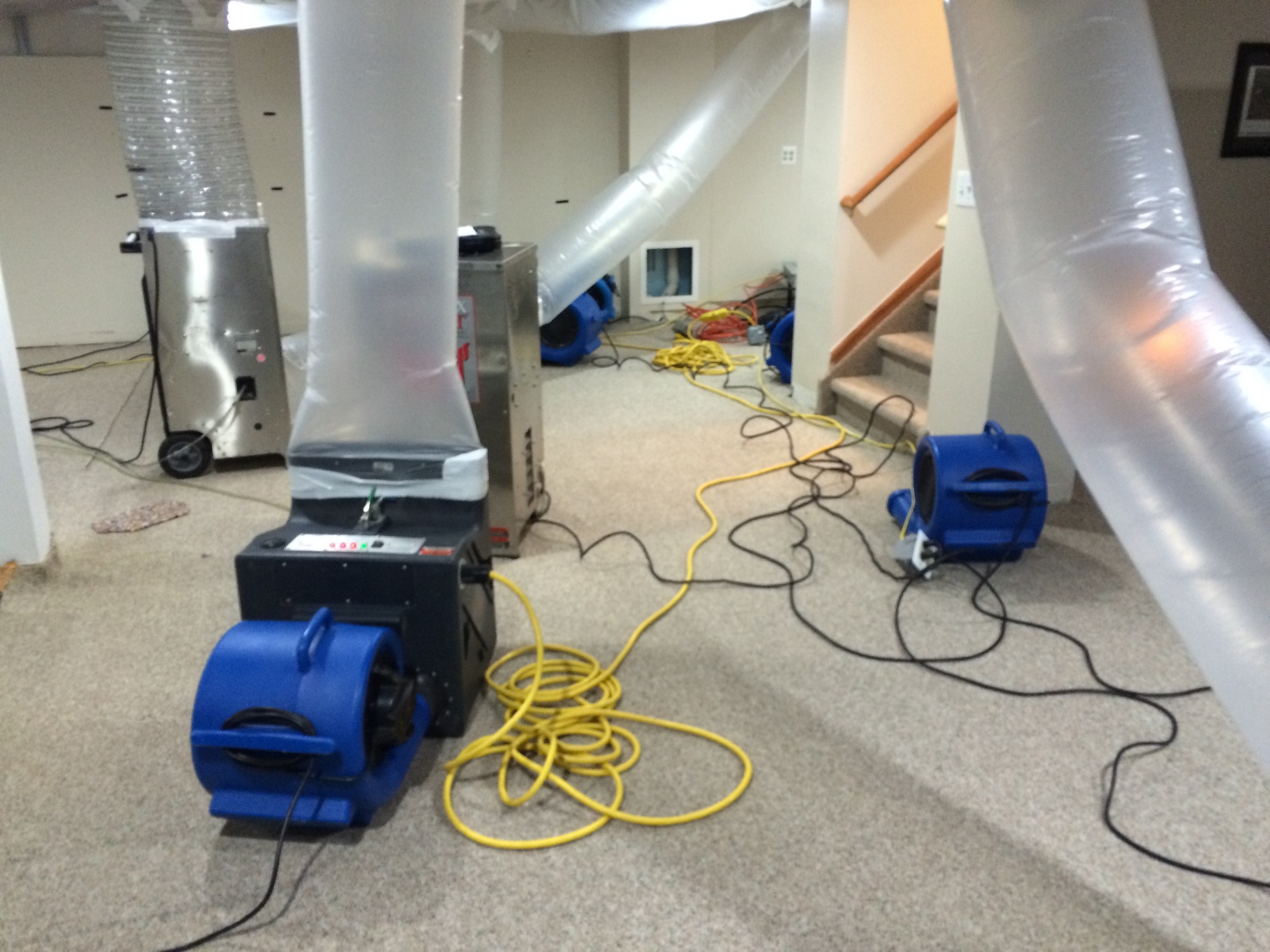
Every hour matters. Water spreads, soaks, and feeds mold within 24 to 48 hours. We extract, dry, and restore before damage worsens.
Water Damage Services
Water damage worsens by the hour. Our crews extract standing water, document moisture down to the studs, and run structural drying until your property is back to its pre-loss state.
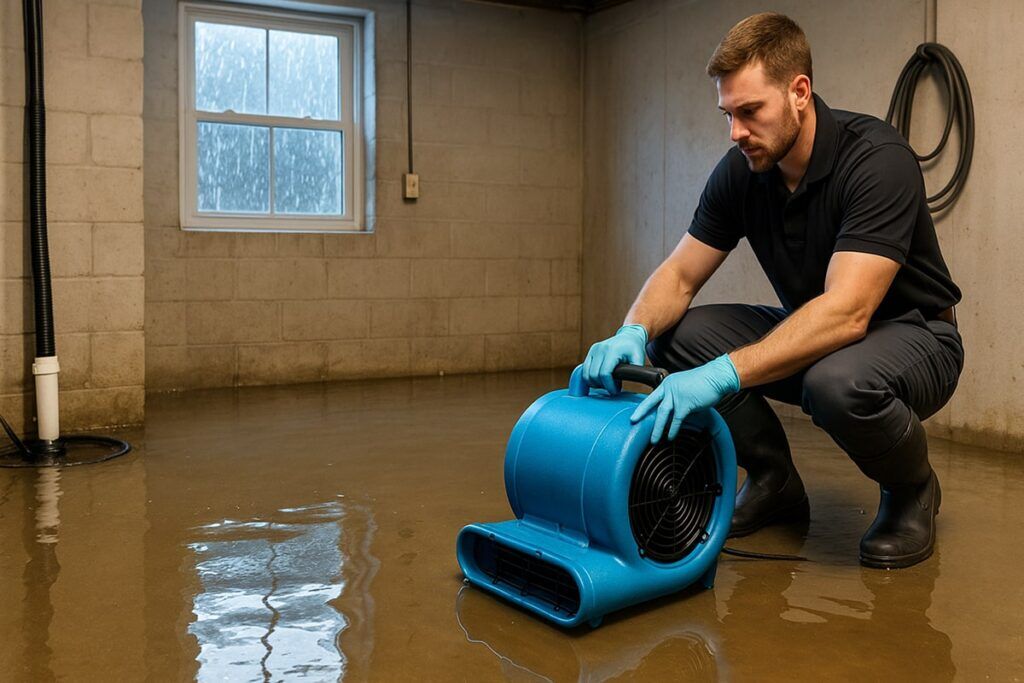
Water Extraction & Drying
Industrial pumps, truck-mounted extractors, and structural drying equipment to remove standing water and dry out structures fast.
Learn More
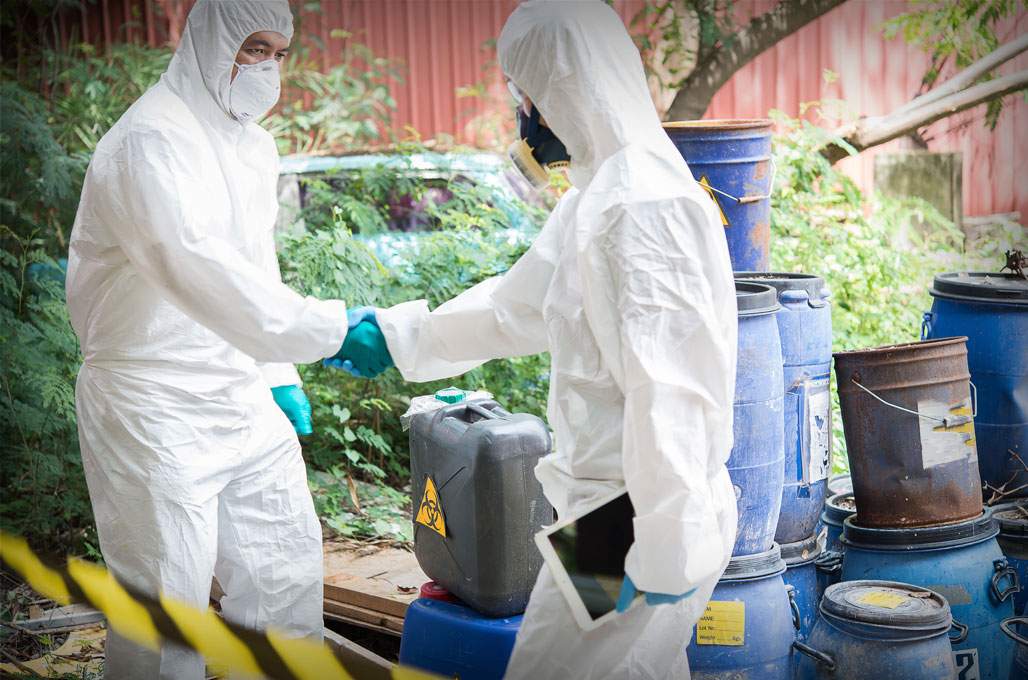
Sewage & Contaminated Water
Hazardous Category 3 water requires certified containment, full PPE, and decontamination protocols. We handle the dangerous part safely.
Learn More
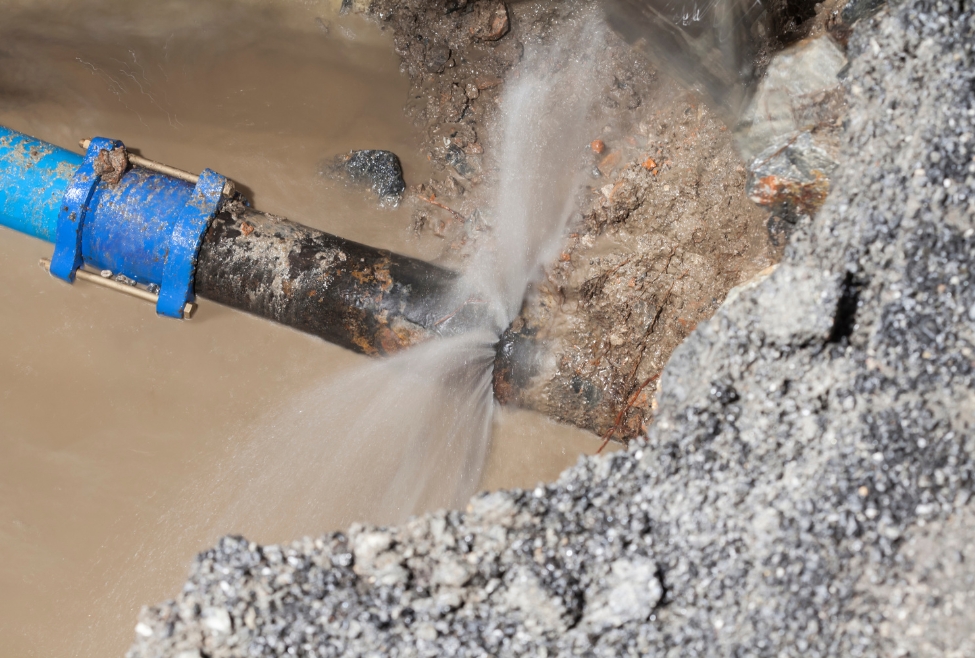
Burst Pipes & Flood Response
Burst pipe at 2 AM. Storm flood at the weekend. We respond in minutes, stabilize the loss, and start drying before damage spreads.
Learn MoreCategories, Classes, and the 24–48 Hour Clock
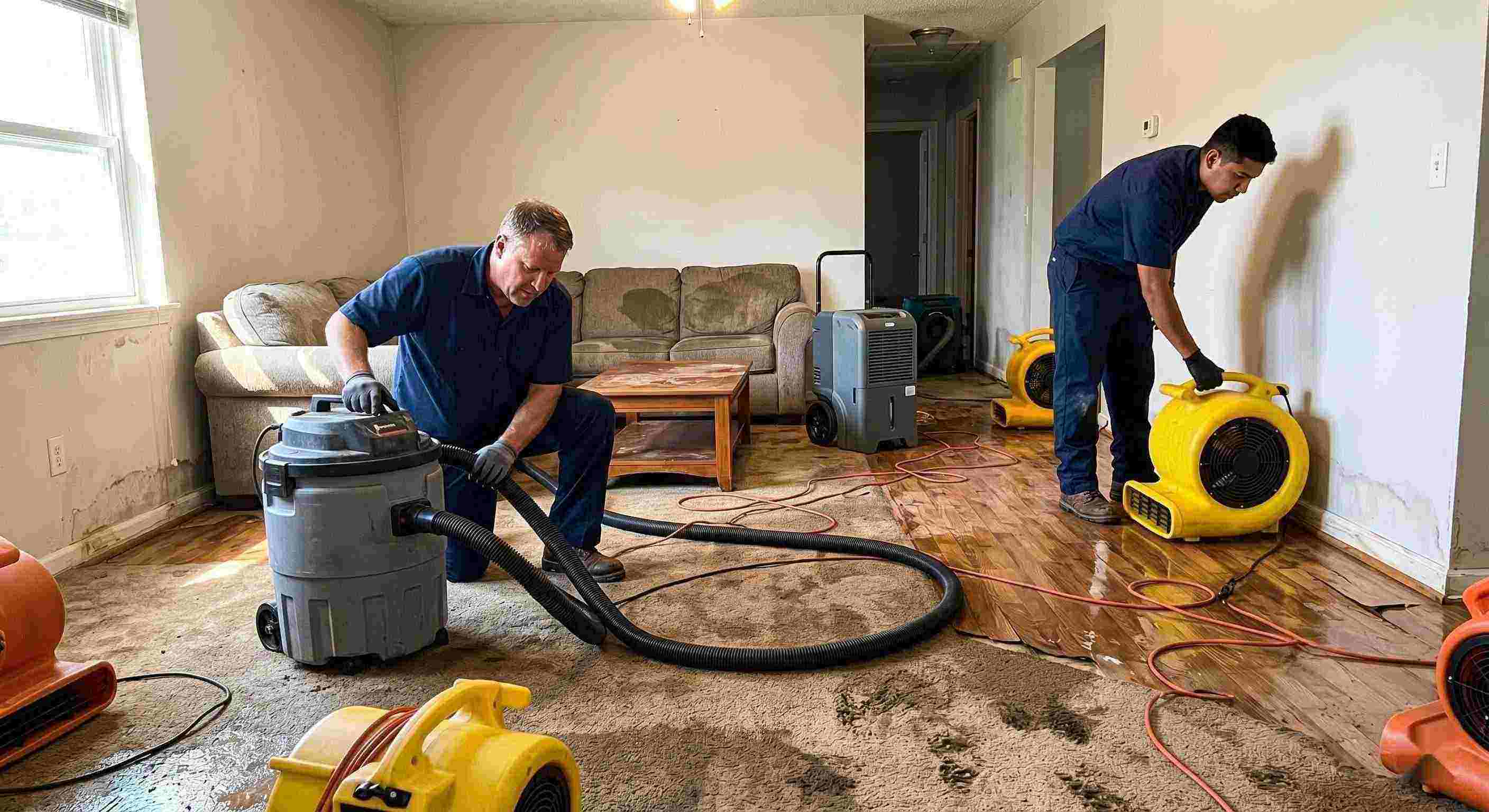
Professional water restoration follows the ANSI/IICRC S500 Standard for Professional Water Damage Restoration. Two determinations made in the first hour on-site shape everything that follows: the water's category and the loss's class.
Water never stays where it lands. It wicks up drywall, migrates under wall plates, saturates insulation, and raises indoor humidity until even dry materials begin absorbing moisture from the air. Within 24 to 48 hours, mold spores that are always present in a building have the moisture they need to germinate — which is why extraction and structural drying are emergencies, not scheduling items.
The category describes contamination: Category 1 (clean supply water), Category 2 (significantly contaminated — appliance discharge, overflow with organics), and Category 3 (grossly contaminated — sewage, rising floodwater). The class describes the evaporation load, which determines how much drying equipment the loss demands:
- Class 1 — minimal water absorption; a small portion of the area affected, mostly low-porosity materials.
- Class 2 — significant absorption; water has wicked into carpet, pad, and the lower portions of walls.
- Class 3 — the greatest evaporation load; water from overhead has saturated ceilings, walls, insulation, and floors.
- Class 4 — specialty drying; water bound deep inside hardwood, plaster, masonry, or concrete that demands longer, targeted drying.
Our crews confirm category and class with moisture mapping and thermal imaging, then calibrate air movers and industrial dehumidification to the structure — and verify the result daily until every assembly reaches its documented dry standard.
How a Water Loss Gets Restored
Every water damage project follows the same disciplined sequence — stabilize, dry, verify, document.
Emergency Dispatch
Call 24/7/365 and a crew is typically on-site within 2 to 4 hours from the nearest of our 5 branches.
Inspection & Moisture Mapping
We identify the source, determine water category and class per IICRC S500, and map moisture with meters and thermal imaging.
Water Extraction
Truck-mounted and industrial extractors remove standing water fast — every gallon extracted is hours of drying saved.
Controlled Removal
Materials that cannot be dried in place are removed with clean, documented cuts, and antimicrobial treatment is applied where warranted.
Structural Drying
Calibrated air movers and industrial dehumidifiers run continuously while technicians log moisture readings daily.
Verification & Closeout
Drying continues until mapped readings meet dry standard; your complete file — photos, logs, Xactimate estimate — goes to you and your insurer.

Built for the Specifics of Water Damage Loss
Every water damage loss is different. Our crews are trained to assess your specific situation, work with your insurer, and document the loss to a standard adjusters trust.
- IICRC Certified technicians and crew leads
- Audited, insurance-grade documentation on every job
- Xactimate estimates and daily drying logs for your claim
- Direct insurance billing where available
The Difference a Certified Dry-Out Makes
Fast, instrumented, documented drying protects more than the structure — it protects your health, your contents, and your claim.
More Materials Saved
Early extraction and calibrated drying let hardwood, drywall, and cabinetry be dried in place instead of demolished — shortening the rebuild that follows.
Mold Risk Contained
Because mold can establish within 24 to 48 hours, our protocols target the moisture that feeds it — and verify with meters that none is left behind in hidden cavities.
A Claim-Ready File
Photos from first walk-through, moisture maps, daily drying logs, and an Xactimate estimate give your adjuster exactly what they need to move the claim.

We Speak Your Adjuster's Language
Water claims succeed or stall on documentation. From the first site visit we build the file your carrier expects: cause-of-loss photos, IICRC S500 category and class determinations, moisture maps, daily drying logs, and an Xactimate estimate in the format adjusters use themselves. We bill insurance directly where available and coordinate scope with your adjuster so you are not caught in the middle.
- Xactimate estimates — insurer-ready, line by line
- Daily moisture logs and photo documentation
- Direct insurance billing and adjuster coordination
- Claim assistance from first call to closeout
Water Damage Questions
Good to KnowMost homeowners and commercial policies cover sudden and accidental water damage from burst pipes, appliance failures, or storms. We document the loss to your policy's standard and bill insurance directly when possible.
Typical residential dryouts take 3 to 5 days, depending on the materials and the volume of water. Our crews monitor moisture daily until every assembly meets dry standard.
Yes. Mold can develop within 24 to 48 hours of water exposure. Our drying protocols are designed to prevent it; if growth has started, our IICRC Certified mold remediation team contains and removes it.
The ANSI/IICRC S500 standard defines three categories by contamination level. Category 1 is clean water from a supply line or rainwater. Category 2 carries significant contamination, such as appliance discharge or overflow containing soaps and organics. Category 3 is grossly contaminated water — sewage, rising floodwater, or any water left standing long enough to degrade. The category dictates what can be dried in place and what must be removed.
If it is safe, stop the source at the fixture valve or main shutoff and switch off electricity to affected areas. Move furniture and valuables out of the water, but stay out of rooms with sagging ceilings or submerged outlets. Then call our 24/7 dispatch — a crew is typically on-site within 2 to 4 hours.
Fans move air across surfaces, but the damaging moisture is inside wall cavities, subfloors, and insulation. Without moisture meters and industrial dehumidification, water trapped in those assemblies stays wet, warps materials, and feeds mold. Professional structural drying removes moisture from the air and the structure and verifies the result with instruments.
It is a documented record of moisture readings taken at mapped points every day of the dry-out, alongside temperature and humidity data. Drying logs prove to you and your insurer that the structure reached its dry standard — they are a core part of the insurance-grade documentation we provide on every loss.
Free Water Damage Inspection
Not sure how far the water traveled? Our technicians will inspect the property, take moisture readings, and give you a straight answer about what needs drying — at no charge and with no obligation.
Water Damage Worsens by the Hour. Call Now.
24/7/365 response with on-site arrival in 2 to 4 hours.
