SoCal Wildfire Smoke Damage: What Insurers Are Paying For in 2026
HVAC-cleaning scope, contents soot testing, and the documentation carriers now want before approving structural cleaning after a wildfire event.
Read the Article
Field-tested guides, checklists, FAQs, and the operating standards we use on every job. Built so you can make informed decisions before, during, and after a loss.
Plain-language guides that walk you through what to do in the first hours, days, and weeks after a loss — and what we'll be doing on your behalf.

What to shut off, what to document, when to call your insurer, and the structural-drying timeline insurers expect.
Read the Guide
The difference between cleaning, deodorizing, and structural repair — and why the order you do them in matters for your claim.
Read the Guide
Inspection, containment, remediation, and air clearance — what each phase means, who signs off, and how to read your report.
Read the Guide
What emergency mitigation must happen in the first 48 hours to keep your policy intact and minimize secondary damage.
Read the Guide
OSHA Bloodborne Pathogen rules, decontamination phases, and what discreet, compassionate cleanup actually looks like on-site.
Read the Guide
How property managers and facility teams keep tenants operating while a large-loss recovery is underway.
Read the GuidePractical, printable PDFs designed to be opened at the kitchen table, on-site, or in a property manager's inbox the moment something goes wrong.
Shut-offs, photo evidence, claim documentation, and the questions your adjuster will ask.
Request the ChecklistTenant communication templates, vendor coordination steps, and continuity targets for multi-unit losses.
Request the PlaybookStandardized photo logs, moisture mapping templates, and Xactimate-friendly scope notes.
Request the PackThe standards we operate to — published, auditable, and the same documents your adjuster cites. Knowing them is part of knowing what you should expect from any restoration vendor.
Standard for professional water damage restoration: categorisation of water, drying targets, moisture documentation.
Standard for mold remediation: inspection, containment, source removal, clearance criteria.
Standard for trauma and biohazard remediation: PPE, decontamination, and verified clearance.
Federal occupational safety standard governing exposure control, PPE, and regulated medical waste handling.
Hospital-grade, EPA List N disinfectants applied per dwell-time requirements in every biohazard job.
Our internal quality system: IICRC-aligned processes, verified licensing and insurance, and audit-ready documentation on every job.
Filter the resource hub by the loss type you're dealing with.
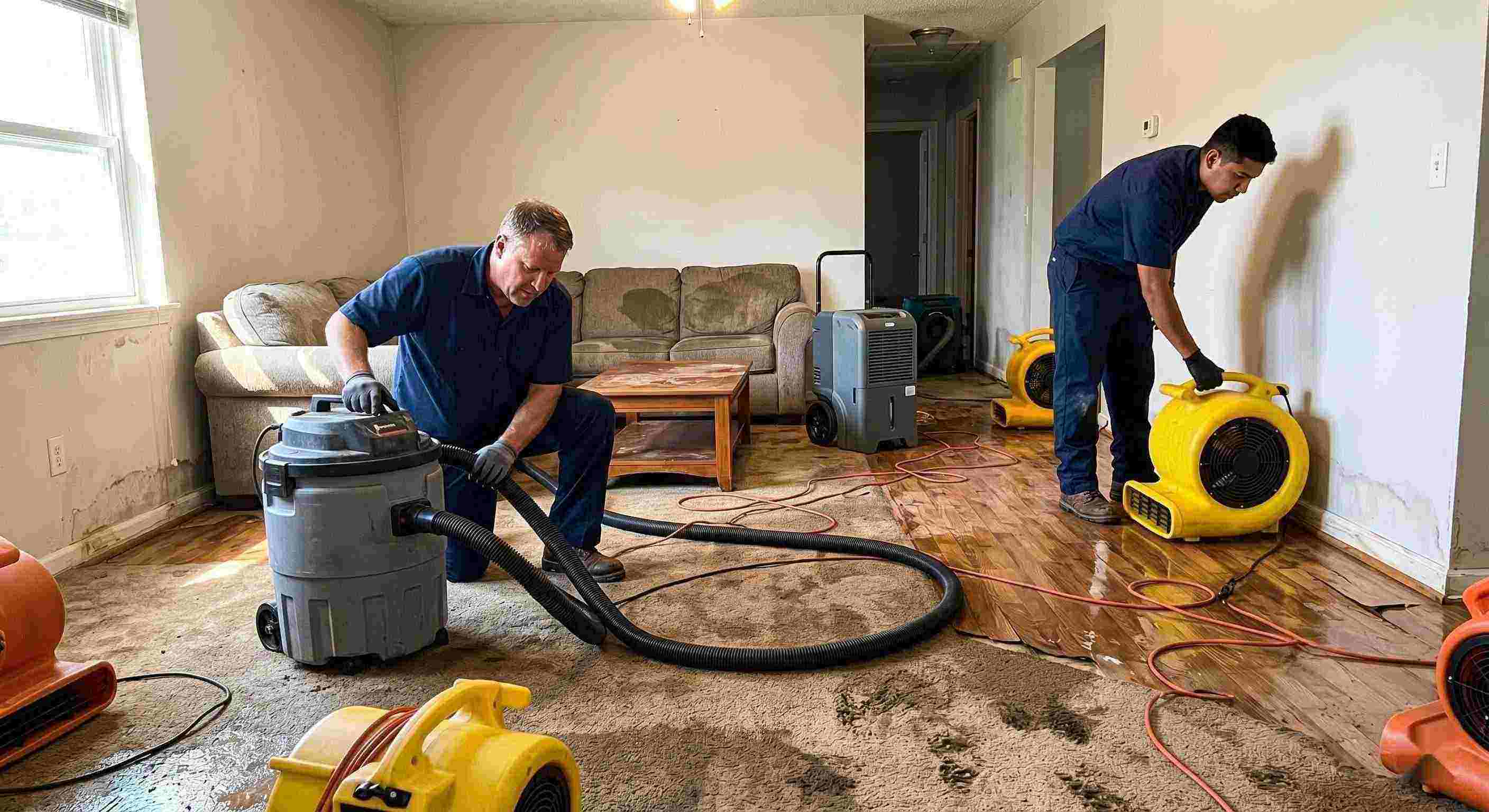
Extraction, drying, sewage, burst pipes — IICRC S500.
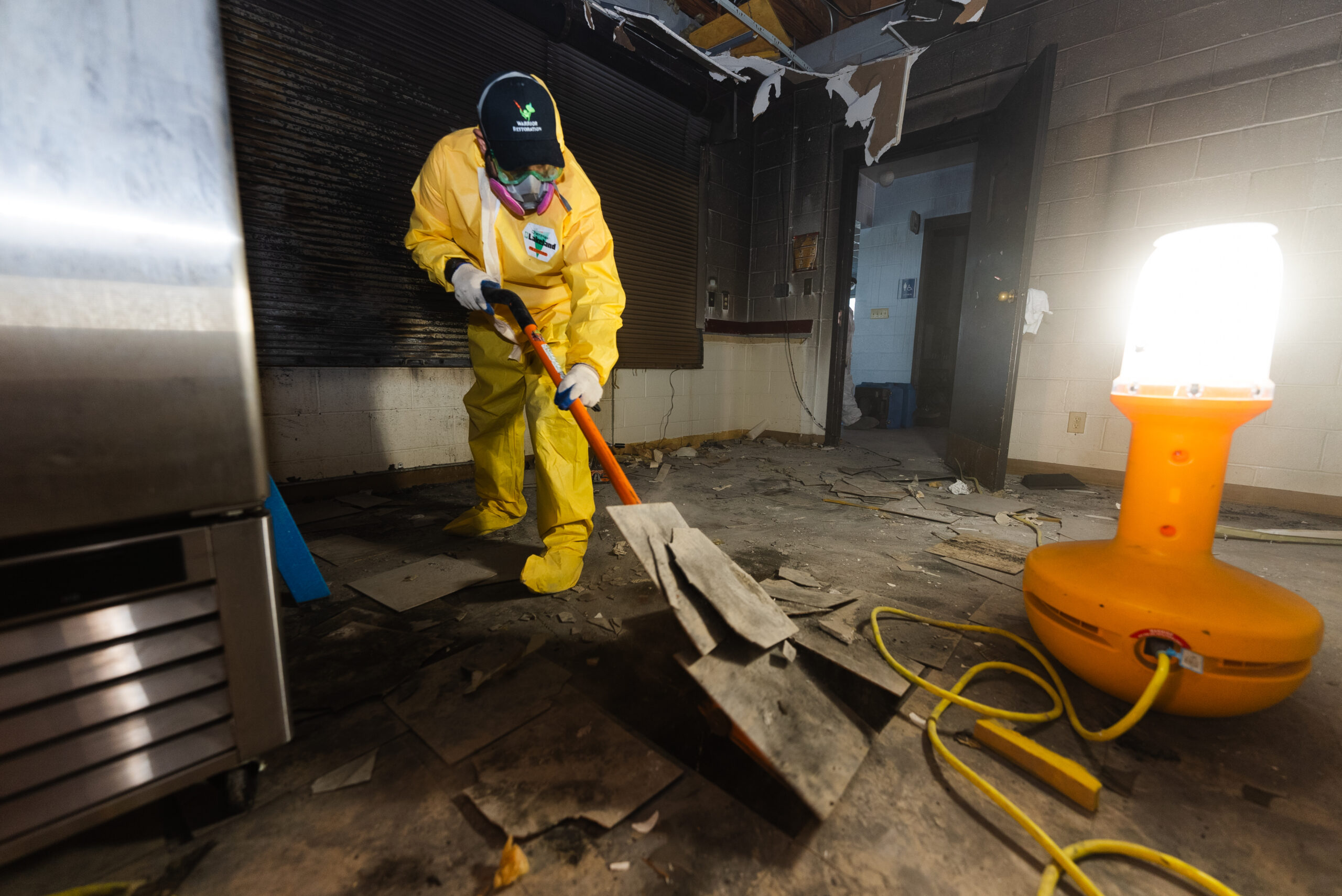
Soot, smoke odor, contents, structural rebuild.
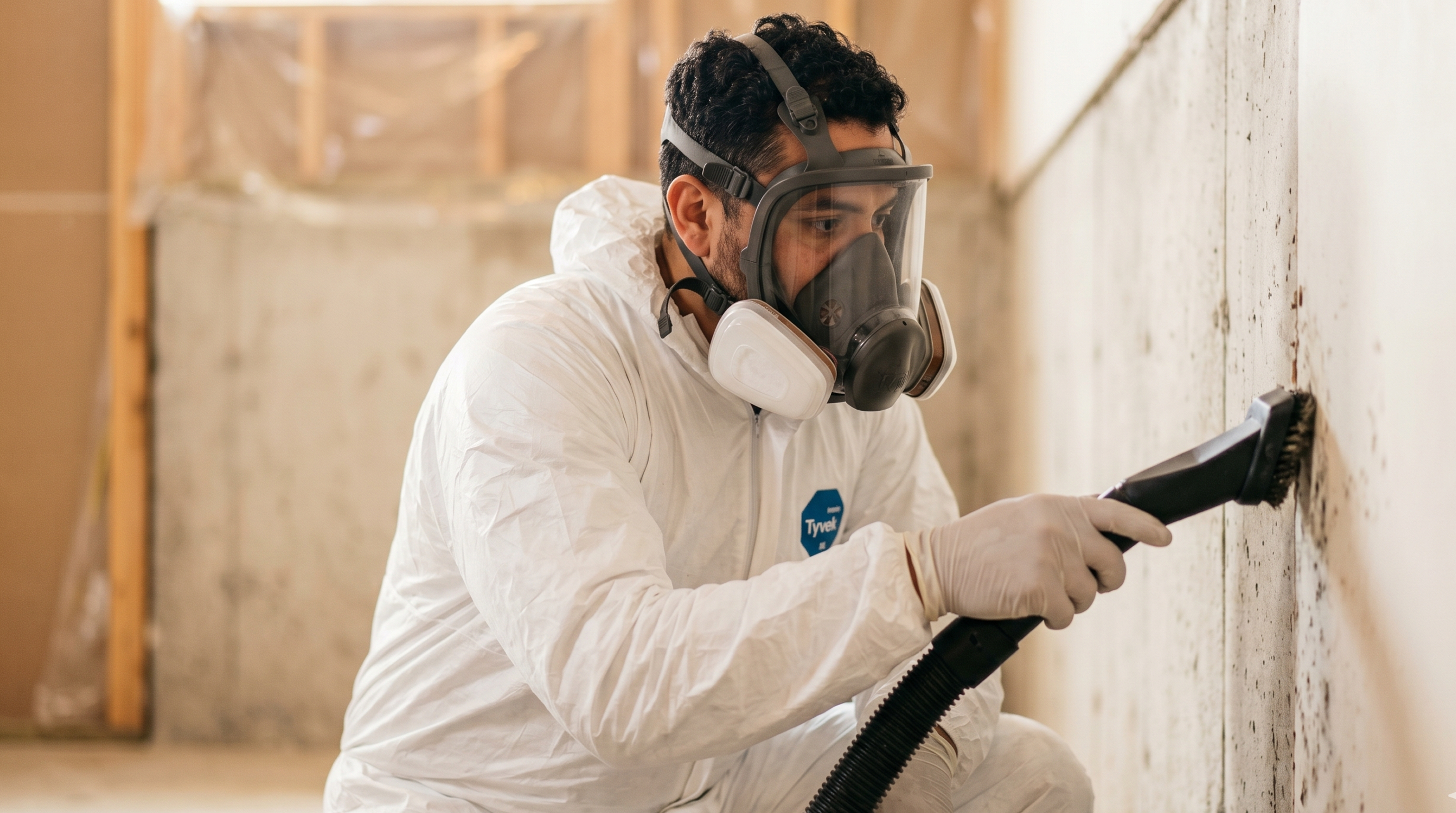
Inspection, containment, remediation — IICRC S520.
Board-up, tarping, wildfire mitigation, reconstruction.
Trauma, decontamination, drug-lab cleanup — IICRC S540.
Multi-family, hospitality, healthcare, schools.
Hazardous waste, chemical spills, large-loss.
Scope templates, Xactimate, claim coordination.
Direct billing, Xactimate estimates, moisture logs, and claim assistance — the full claims hub.
Plain answers to the questions homeowners, property managers, and insurance professionals ask us most often.
Yes. A free inspection is a no-obligation on-site assessment: moisture mapping, thermal imaging where relevant, and an insurer-ready scope of what we find. You keep the findings whether or not you hire us.
Our 24/7 dispatch answers live, and a crew is typically on-site within 2–4 hours. Same-call routing — no third-party call centers and no warm-transfer queues.
Every Respond Property Solutions branch is IICRC Certified, licensed, and insured, with documented technician training and background checks. We follow IICRC S500 (water), S520 (mold), and S540 (trauma) on every applicable job.
Yes. We have agreements with the major property insurers, document every step photographically, and submit Xactimate-compatible scopes directly to your adjuster.
Mitigation is the immediate stabilization — water extraction, tarping, board-up, drying. Restoration is the rebuild — drywall, flooring, paint, contents return. Most policies require mitigation begin within 48 hours to stay covered.
Yes. The Respond Quality Standard is summarized on our About page. We can share the full standard on request.
Field intel from our crews, adjuster partners, and the trade bodies we operate under — written in plain English for the property owners, managers, and insurance teams we work with every day.

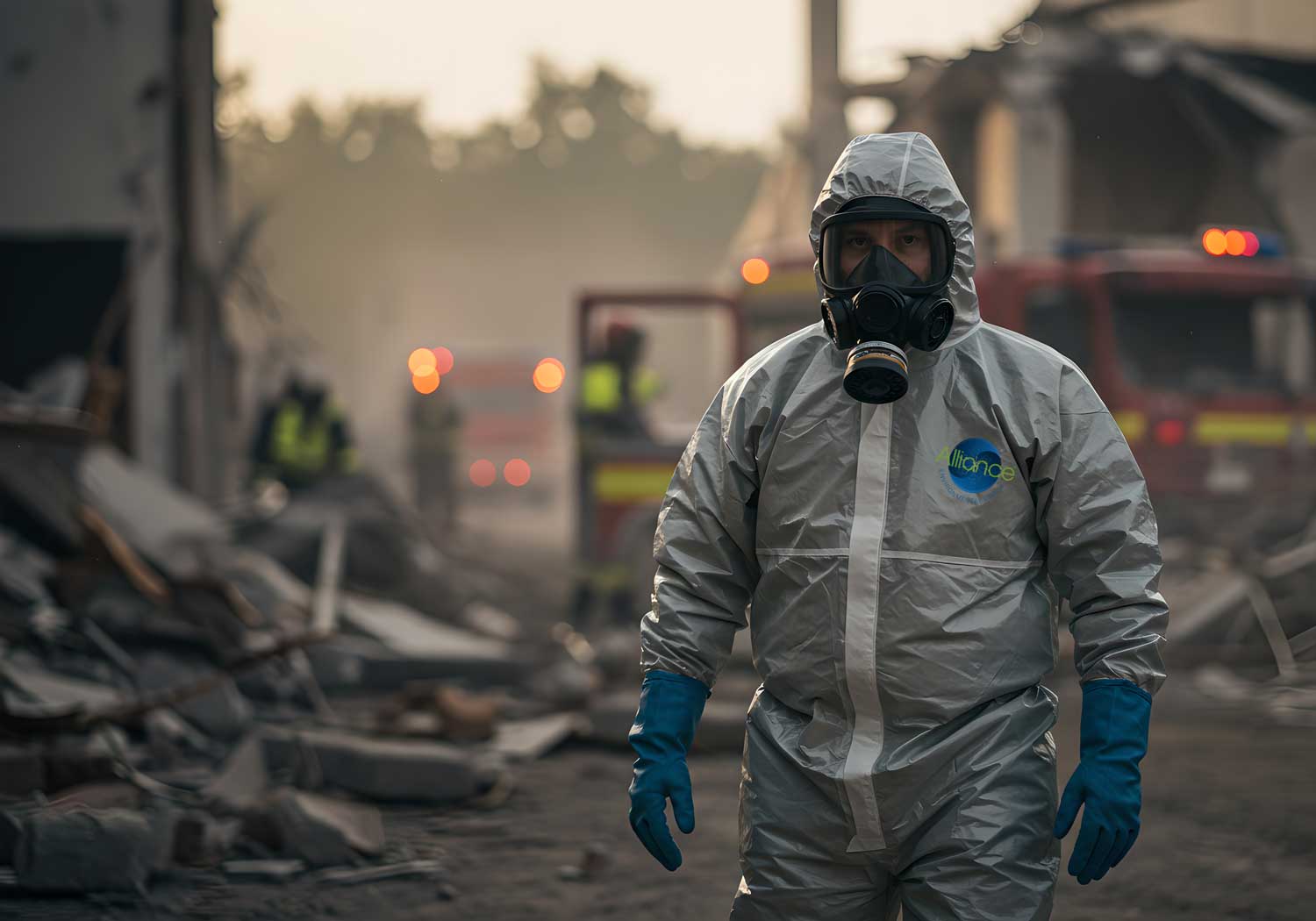
HVAC-cleaning scope, contents soot testing, and the documentation carriers now want before approving structural cleaning after a wildfire event.
Read the Article
The 48-hour mitigation window is becoming a hard line in policy language. What policyholders should document — and what we document for them on every job.
Read the Article
Containment, air clearance, and post-remediation verification under the current S520 guidance — what changes for homeowners and clearance certificates.
Read the Article
The communication cadence and vendor sequencing property managers can hand to a leasing team the moment a multi-unit loss is reported.
Read the Article
The four operating elements a compliant biohazard crew can produce on request — exposure control plan, training records, PPE program, and waste manifests.
Read the Article
Pre-staged equipment, mutual-aid agreements, and how a five-branch SoCal & Arizona footprint translates into faster surge response on a regional event.
Read the ArticleFor partners and policyholders who want to see how Respond Property Solutions actually runs a job — these are the operating documents.
Training, background checks, licensing, insurance verification, and audit cadence — the documented standard every Respond Property Solutions crew works to.
Read the StandardWhat each IICRC standard requires, where they apply on your job, and how we evidence compliance for your adjuster.
Request the CrosswalkWhat typically happens from your first call to on-site mitigation — including the 2–4 hour on-site window — and how escalation works.
Request the CommitmentsThe acronyms and standard terms you'll see on estimates, scopes, and adjuster reports — defined plainly. Bookmark this when a contractor or adjuster drops a term you'd rather not Google mid-call.
The Institute of Inspection, Cleaning and Restoration Certification's Standard for Professional Water Damage Restoration. Sets the categories of water (clean, gray, black), drying targets, and documentation requirements every reputable water crew works to.
The professional standard for mold remediation — inspection, containment, remediation, and post-remediation verification. Defines what "passing" looks like and who can sign clearance.
The standard for trauma and crime-scene cleanup — handling of bloodborne pathogens, PPE requirements, waste manifests, and decontamination verification.
Immediate, temporary work to stop the loss from getting worse — water extraction, structural drying, board-up, tarping, contents pack-out. Most policies require it to begin within 48 hours.
The rebuild phase after mitigation — drywall, flooring, paint, cabinetry, contents return, and final cleaning. Restores the property to pre-loss condition under the policy.
The estimating software most U.S. property insurers use. A scope written "in Xactimate" means line-item pricing your adjuster can validate without rework.
Cat 1 = clean (supply line). Cat 2 = gray (dishwasher overflow). Cat 3 = black (sewage, flood water). The category drives demolition scope, PPE, and disposal requirements.
The OSHA Bloodborne Pathogen Standard (29 CFR 1910.1030). The federal rule governing biohazard work — exposure control plan, training, PPE, and waste handling. A compliant crew can produce documentation on request.
A post-remediation indoor-air sample compared to outdoor baseline, used to verify mold work is complete. A third-party industrial hygienist typically performs the sampling.
Inventoried removal of contents from a damaged property to an off-site cleaning facility — typically photographed, barcoded, restored, and returned post-rebuild.
A specialty coating applied to remediated surfaces (after mold or fire) to bind residual particulates and finish a clearance. Not a substitute for removal of affected material.
The training, background-check, licensing, insurance-verification, and audit cadence Respond Property Solutions operates under — enforced at all five branches and evidenced by insurance-grade documentation.
Don't see a term you need defined? Ask our team — we'll add it.
If there's a guide, checklist, or standard you'd like that isn't above, our team will send it over directly.