Smoke Odor Elimination
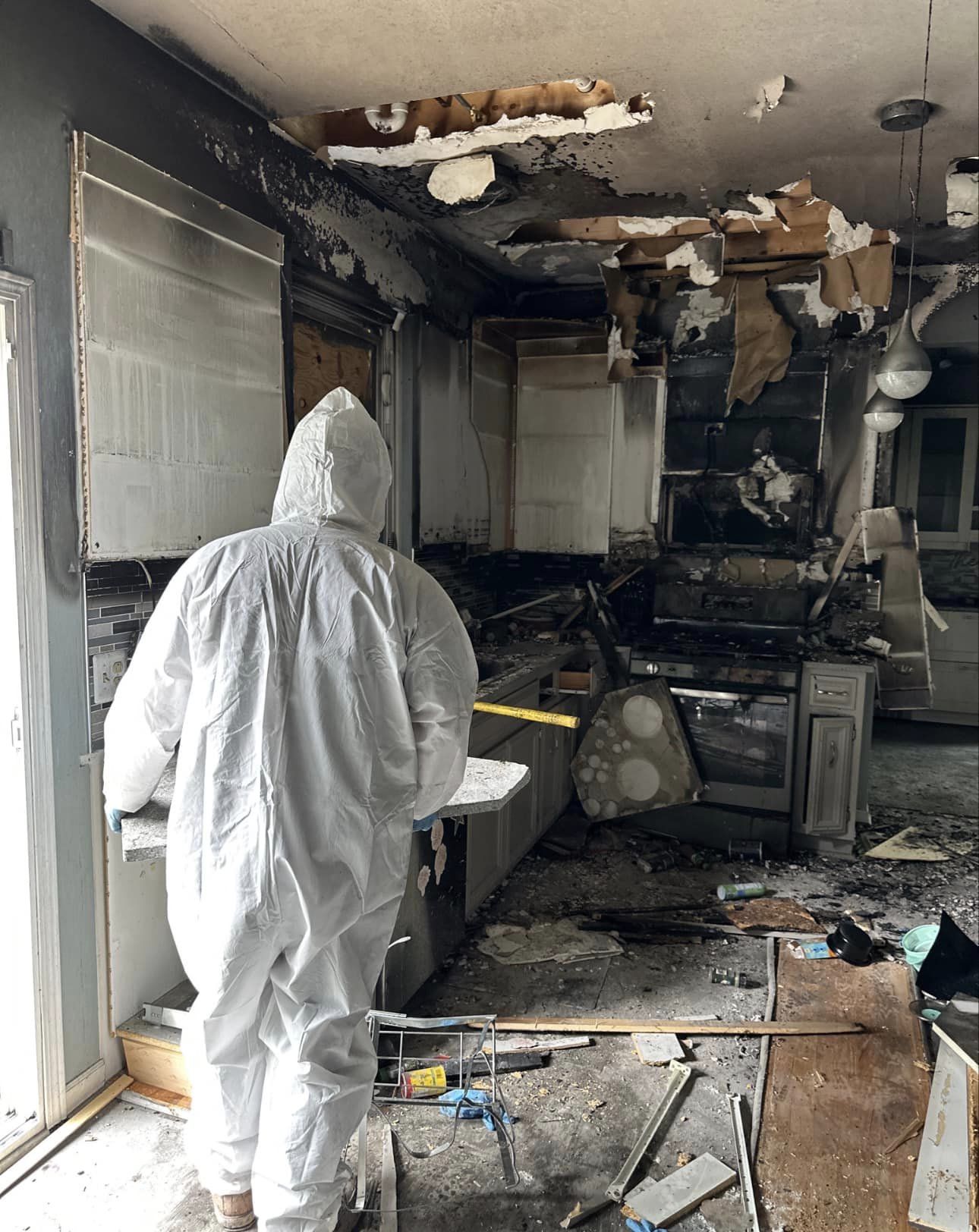
Lingering smoke odor is not a deep clean problem. It is a chemistry problem. We solve it with the right treatment for the right materials.
How Our Smoke Odor Elimination Service Works
Smoke odor bonds at the molecular level to porous materials, HVAC systems, and structural cavities. Our certified team identifies every odor source, treats it with the correct technology (hydroxyl, ozone, thermal fog), and seals what cannot be cleaned.
- Hydroxyl generation for occupied spaces
- Ozone treatment for unoccupied structures
- Thermal fogging for deep penetration
- HVAC cleaning and duct decontamination
- Sealing of cavities that cannot be cleaned
Why Smoke Odor Outlasts the Cleanup
During a fire, heat expands the pores of wood, drywall, masonry, and fabrics, and smoke molecules penetrate deep inside. As the structure cools, those pores close and trap the odor. Warmth and humidity reopen them — which is why a house can smell fine in the morning and smoky by afternoon.
That behavior dictates the strategy: remove the source, don't mask it. Masking agents and repainting over uncleaned surfaces fail within weeks because the odor reservoir is still in the material. Effective deodorization under the ANSI/IICRC S700 standard follows a strict order — remove charred and odor-saturated materials, clean every residue-bearing surface, treat the air and the substrate, and only then seal cavities that cannot be fully cleaned.
Thermal Fogging
A heated deodorizing fog that penetrates materials the same way smoke did — into open pores, wall cavities, and crevices — neutralizing odor molecules where they hide.
Hydroxyl Generators
UV-driven units that produce hydroxyl radicals to break down odor molecules in air and on surfaces. Slower than ozone, but safe to run continuously in occupied spaces.
Ozone Treatment
A fast, aggressive oxidizer for severe odor — used only in unoccupied structures, with the building sealed during treatment and fully ventilated before re-entry.
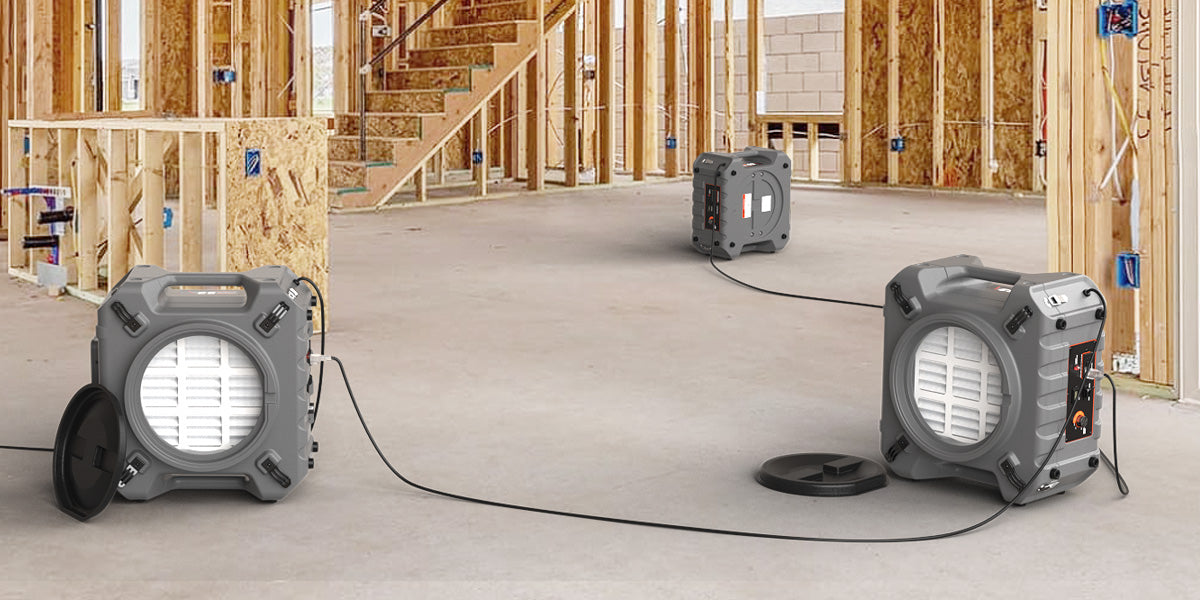
HEPA Air Scrubbing
Negative-air machines with HEPA filtration capture the soot particles that carry odor, cleaning the air continuously while surface work proceeds.
HVAC & Duct Cleaning
Smoke rides the return air into every room the system serves. We clean and deodorize ducts, coils, and blowers so the HVAC stops re-contaminating the building.
Sealing & Encapsulation
For framing and cavities that cannot be fully cleaned, purpose-made encapsulants lock residual odor in permanently — applied after cleaning, never instead of it.
The Smoke Odor Elimination Process
Source removal first, technology second — matched to your materials and whether the building stays occupied.
Odor Source Survey
We trace every reservoir — charred materials, soot-coated surfaces, insulation, HVAC, and structural cavities — before selecting any treatment.
Source Removal
Materials too saturated to clean, such as burned framing sections and smoke-soaked insulation, are removed and disposed of properly.
Surface Cleaning
Every residue-bearing surface is cleaned with methods matched to the residue type, because odor treatment over soot always fails.
Air Scrubbing
Negative-air containment with HEPA filtration runs throughout, capturing odor-carrying particulate instead of letting it resettle.
Deodorization Treatment
Hydroxyl for occupied spaces, ozone for unoccupied structures, thermal fogging for deep penetration — chosen for your situation, often in combination.
HVAC Cleaning & Verification
Ducts, coils, and blowers are cleaned and deodorized, inaccessible cavities are sealed, and we verify the result with you before demobilizing.

Odor Removal That Holds Through Summer
The test of deodorization is not how the house smells the day we leave — it is how it smells on the first hot, humid day after. Because we remove sources rather than mask them, the result lasts.
- Treatment plan matched to materials, severity, and occupancy
- Occupied-safe options — hydroxyl and HEPA — when you cannot vacate
- HVAC and duct decontamination included in scope, not an afterthought
- Insurance-grade documentation of every source and treatment
- Final walkthrough and verification before we demobilize
Regional Crews, Certified Deodorization
Regional & Fast
Five branches across Southern California and Western Arizona, 24/7/365 dispatch, and crews on-site typically within 2 to 4 hours.
Certified & Trained
IICRC Certified technicians working to the ANSI/IICRC S700 standard, with OSHA-trained personnel on every crew.
Insurance-Fluent
Deodorization scoped line-by-line in Xactimate with photo documentation, and direct insurance billing where available.

Deodorization Your Carrier Can Approve
Odor work gets questioned when it is vaguely scoped. We document every odor source we find, itemize each treatment as an Xactimate line item, and coordinate directly with your adjuster — so deodorization is approved as the necessary step it is, not trimmed as an extra.
- Source-by-source photo documentation
- Line-item Xactimate scopes for every treatment
- Direct insurance billing where available
Free Fire Damage Inspection
Still smelling smoke weeks after a fire? An IICRC Certified inspector will trace the odor sources, document them, and give you insurer-ready findings — free, with no obligation.
Smoke Odor Questions
Heat from the fire expands the pores of wood, drywall, and other porous materials, and smoke molecules penetrate deep inside. As the structure cools, the pores close and trap them. Humidity and warmth reopen those pores and release the odor again — which is why surface cleaning alone never solves it.
Ozone is a powerful oxidizer that is only used in unoccupied structures. People, pets, and plants must be out of the building during treatment, and we ventilate thoroughly before anyone re-enters. When occupancy cannot be interrupted, we use hydroxyl generators instead, which are safe to run in occupied spaces.
Hydroxyl generators use UV light to produce hydroxyl radicals that break down odor molecules in the air and on surfaces. They work more slowly than ozone but can run continuously in occupied spaces. Ozone works faster but requires the building to be empty during treatment.
No. Air fresheners mask odor briefly, and paint applied over uncleaned surfaces will not hold back smoke molecules trapped in the substrate. Effective deodorization removes the source first; sealing with a purpose-made encapsulant is reserved for cavities that cannot be fully cleaned, applied only after cleaning.
Usually, yes. HVAC systems pull smoke through returns and distribute soot and odor into every room they serve. If the ducts are not cleaned and deodorized, the system re-contaminates the building every time it runs.
It depends on the severity of the fire, the materials involved, and whether the space stays occupied. Light odor in a contained area may resolve in days; heavy saturation involving HVAC and structural cavities takes longer. Your written scope includes the planned sequence and timeline for your specific loss.
Smoke and odor damage is generally covered under fire losses, including deodorization and HVAC cleaning. We document each odor source, scope the treatment in Xactimate, and bill your carrier directly where available.
More Fire & Smoke Services

Fire & Soot Cleanup
Soot is acidic and bonds quickly. We clean fast, with the right chemistry, so what can be saved is saved.
Learn More
Structural Repair & Rebuild
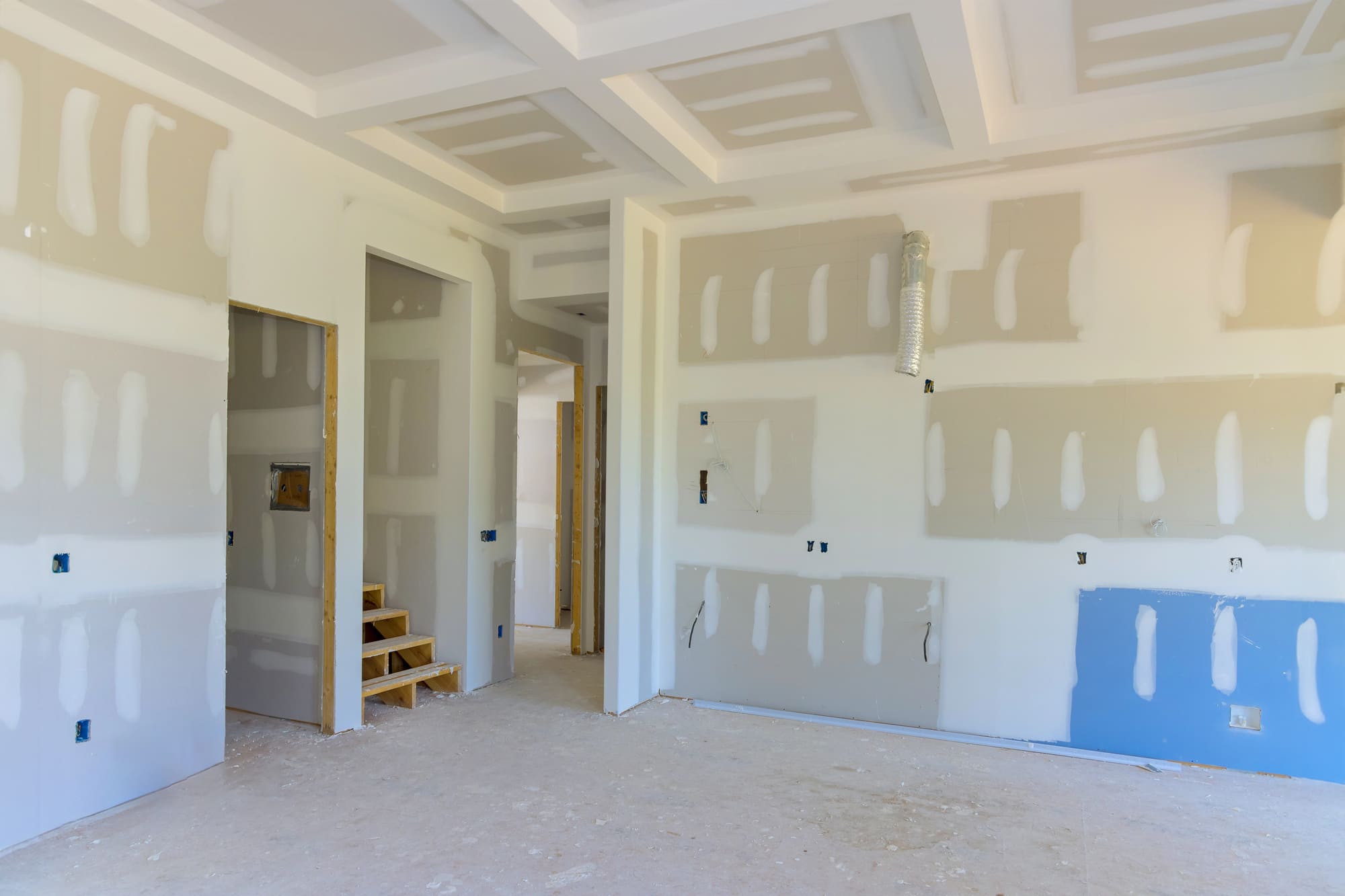
From the cleanup through the finish carpentry. One Respond Property Solutions contract, one project manager, one timeline.
Learn MoreNeed Smoke Odor Elimination? Call Respond Property Solutions.
We respond 24/7/365 and arrive on-site within 2 to 4 hours.